Do Vets Take Pet Insurance? How Payment and Reimbursement Actually Work
Do Vets Take Pet Insurance? How Payment and Reimbursement Actually Work

Content
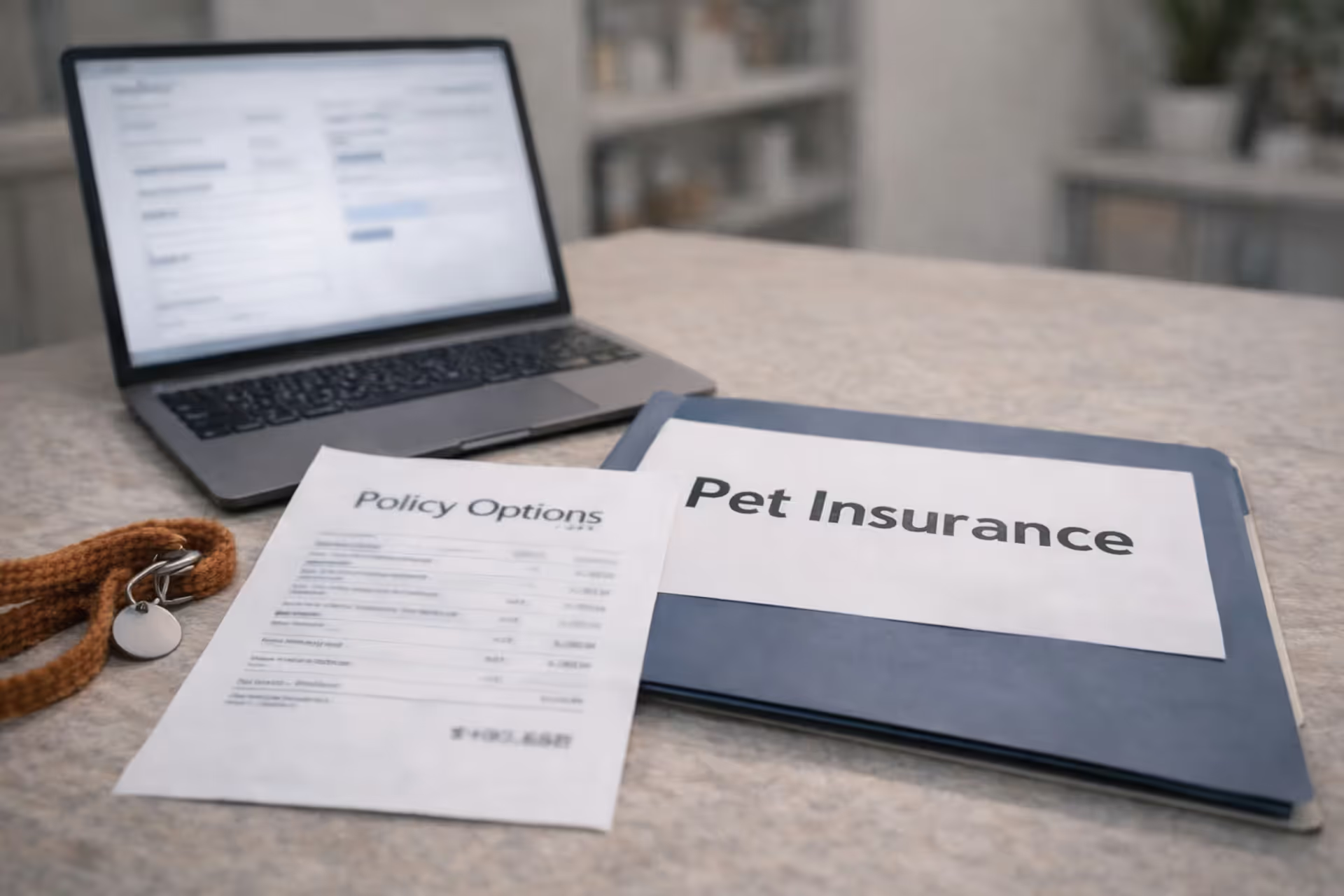
Walking into a veterinary clinic with a sick pet is stressful enough without worrying about a surprise $2,000 bill. If you've purchased pet insurance or are considering it, you're probably wondering whether your vet will accept it, how payment works, and if you'll need to drain your savings account before getting reimbursed.
The short answer: nearly all veterinarians "accept" pet insurance, but not in the way most people expect. Unlike human health insurance, where your doctor's office bills your insurer directly, pet insurance typically works on a reimbursement model. You pay the full bill upfront, then file a claim to get money back later.
This fundamental difference catches many pet owners off guard at checkout, especially during emergencies. Understanding how veterinarian insurance acceptance actually works will help you avoid awkward moments at the front desk and maximize your policy benefits.
How Pet Insurance Payment Works at Veterinary Clinics
Author: Jordan Whitman;
Source: lamadone.net
Direct Pay vs. Reimbursement Models
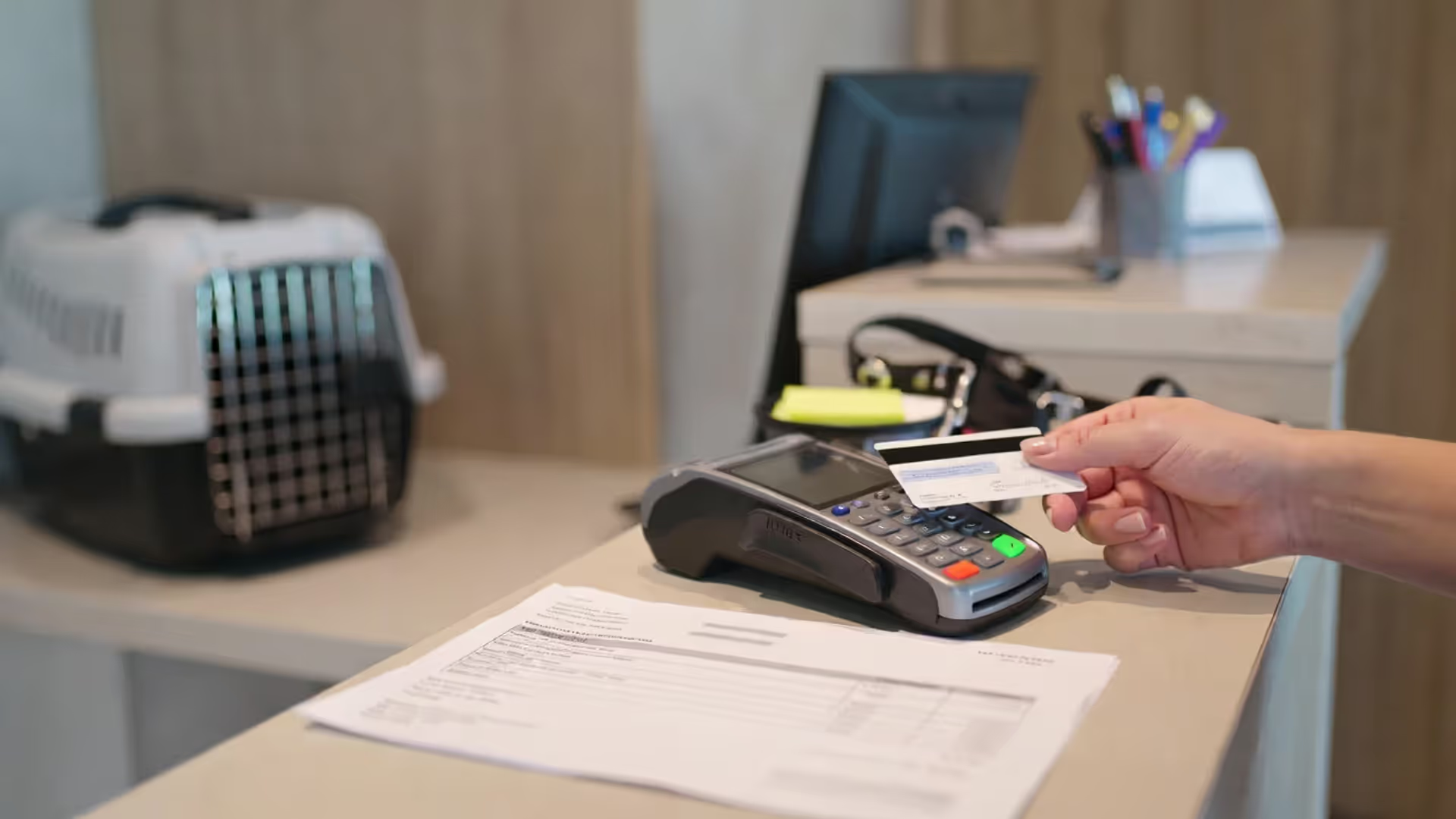
The vast majority of pet insurance operates on reimbursement. You receive veterinary care, pay the entire bill using your own funds, then submit a claim to your insurance company. Within days or weeks, depending on your provider, you receive a check or direct deposit for the covered portion.
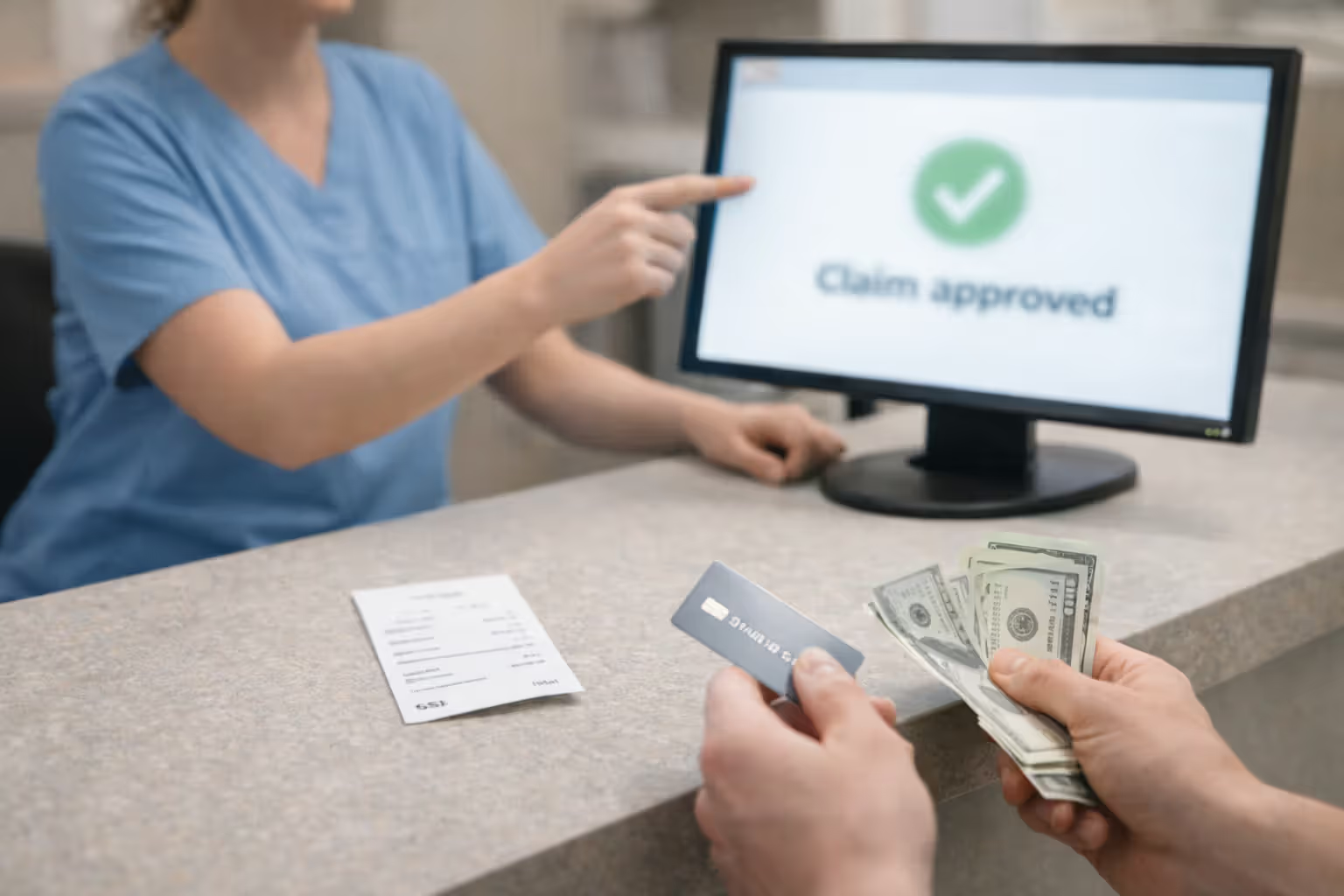
A handful of insurers offer direct pay or instant reimbursement options. Trupanion, for example, has partnered with thousands of veterinary clinics through their Express system, which allows participating hospitals to receive payment directly from the insurer at checkout. You only pay your deductible and any non-covered services.
The catch: direct pay requires specific software integration. Not every clinic has invested in these systems, and even those that have may only work with one or two insurance companies.
Author: Jordan Whitman;
Source: lamadone.net
What Happens at Checkout
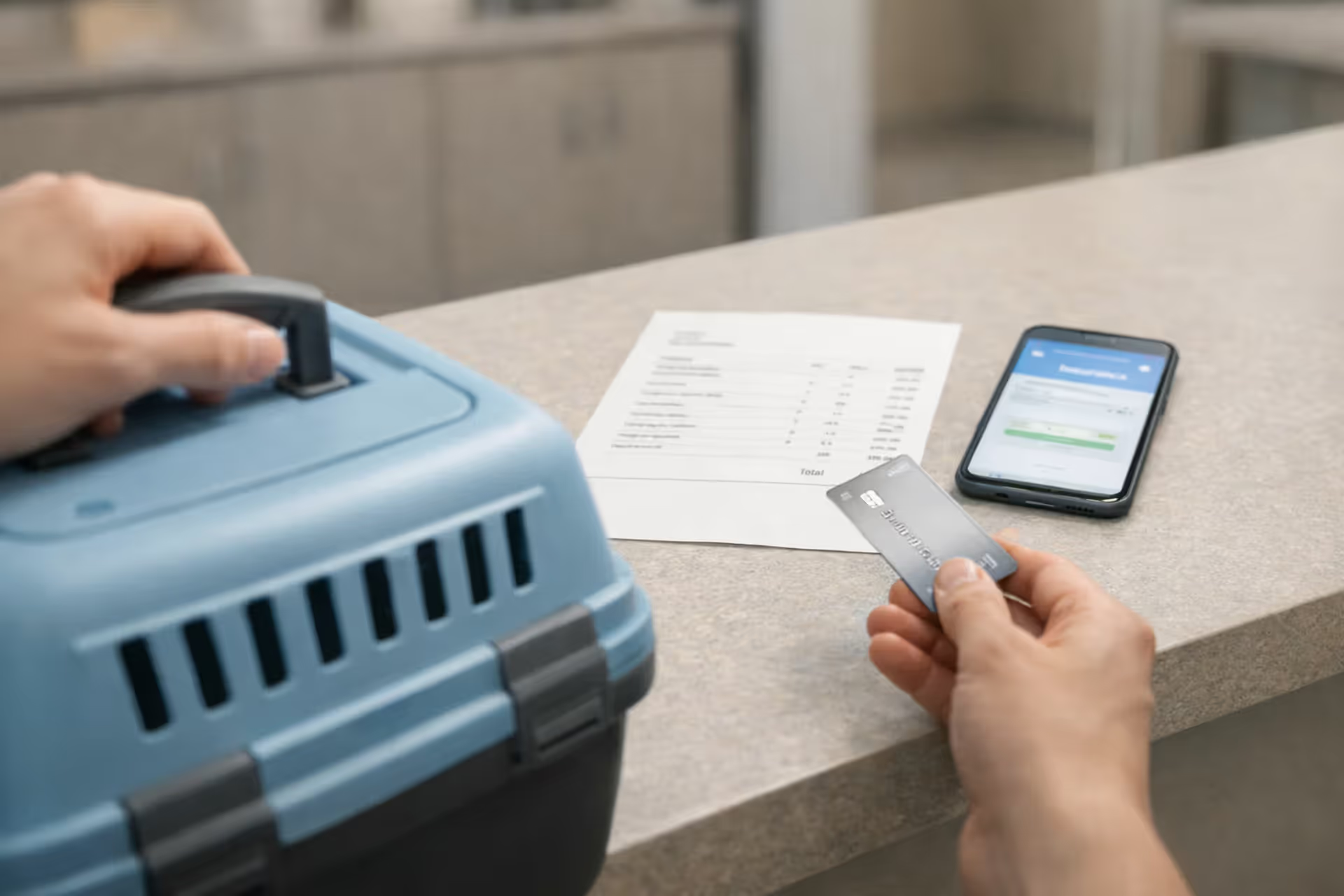
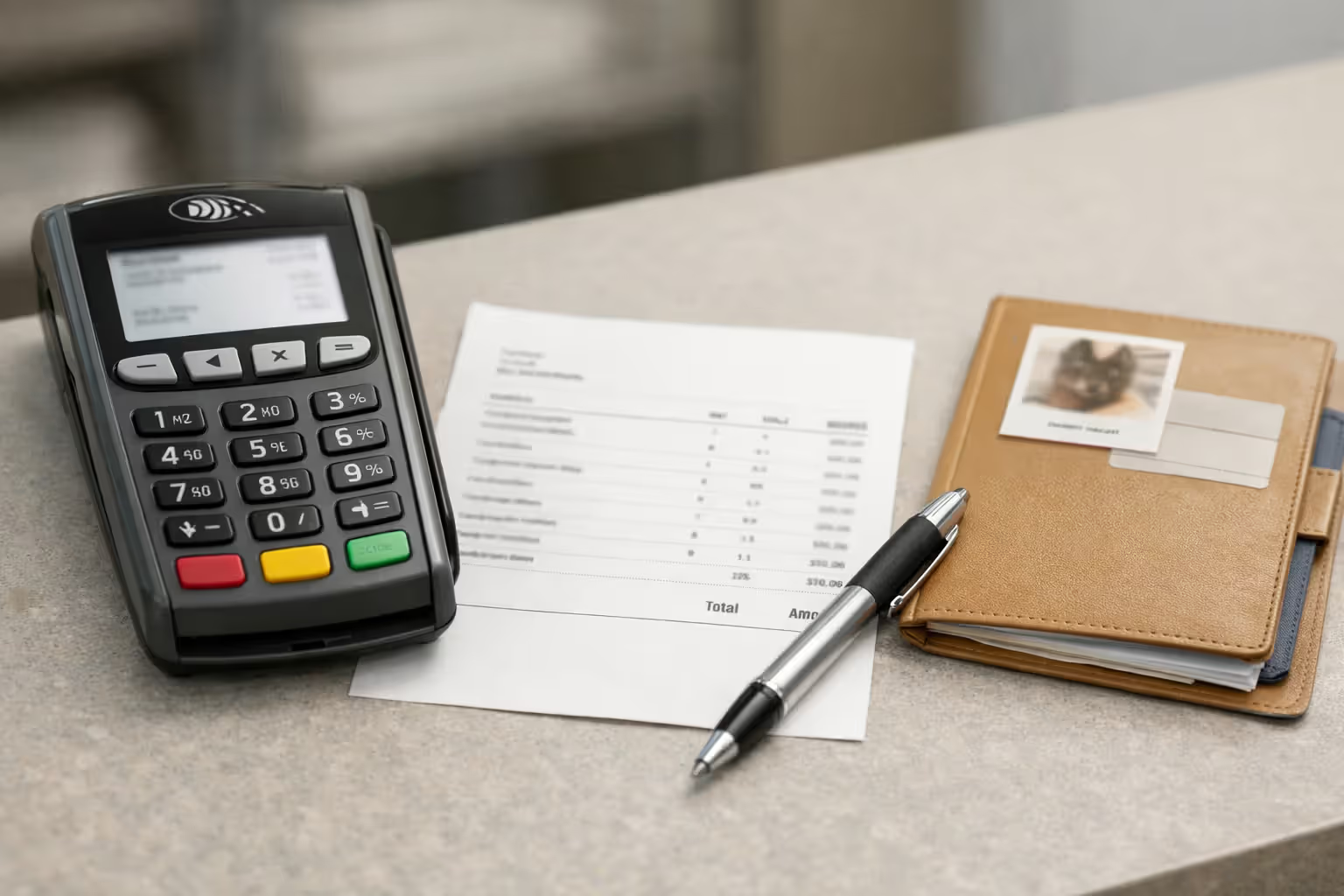
When your appointment ends, the receptionist will calculate your total bill. If your clinic doesn't offer direct billing for your specific insurance company, you'll need to pay using a credit card, debit card, check, or cash. The staff will provide an itemized invoice—this document is crucial for your reimbursement claim.
Some clinics will help you start the claims process before you leave. They might take photos of the invoice to email you, fill out their portion of a claim form, or even submit the claim electronically on your behalf (though you still pay upfront). Others simply hand you the paperwork and wish you well.
At emergency veterinary hospitals, expect to pay a deposit before treatment begins, especially for surgeries or overnight stays. The final bill gets settled when you pick up your pet.
Why Most Vets Don't Directly Bill Insurance Companies
Veterinary practices are small businesses, often independently owned. Unlike large hospital systems with dedicated billing departments, most vet clinics have one or two front-desk staff handling everything from scheduling to payment processing.
Direct billing creates administrative headaches. Each pet insurance company has different claim forms, coverage rules, waiting periods, and exclusions. A receptionist would need to verify coverage for every patient, determine what's covered under each unique policy, submit claims correctly, and then wait weeks or months for payment—all while the clinic has already incurred costs for staff time, medications, and supplies.
Dr. Jennifer Martinez, Practice Manager at Riverside Animal Hospital in Portland, Oregon, explains:
We'd love to make insurance easier for our clients, but the reality is that pet insurance policies vary so dramatically that we can't guarantee what will be covered. We've had situations where owners assumed a procedure was covered, we billed the insurance, and then the claim was denied months later. Now we're chasing the client for payment. It's simpler and more transparent for everyone when clients pay upfront and handle their own reimbursement.
— Dr. Jennifer Martinez
The reimbursement model also protects veterinarians from payment delays. Imagine a clinic performing a $5,000 surgery, then waiting 30-60 days for an insurance company to pay—only to have the claim denied due to a pre-existing condition the owner didn't disclose. The vet billing insurance pets model shifts financial risk onto the practice, which most small businesses can't absorb.
Cash flow matters. Veterinary clinics need to pay staff salaries, order medications, and cover rent regardless of when insurance companies process claims. Requiring upfront payment ensures they can keep operating.

Author: Jordan Whitman;
Source: lamadone.net
Finding Veterinarians That Accept Your Pet Insurance Plan
Before your pet needs care, verify which clinics work with your insurance. Start by checking your insurer's website—most maintain searchable directories of veterinary partners. These lists typically indicate which clinics have direct billing capabilities versus those that simply provide documentation for reimbursement claims.
Call ahead and ask specific questions:
- "Do you have experience working with
The phrase "insurance-friendly" gets thrown around, but it usually just means the clinic is willing to provide detailed invoices and medical records needed for claims. It doesn't necessarily mean they offer direct billing.
When searching for clinics accepting pet insurance with direct pay options, look specifically for Trupanion Express partners if you have Trupanion coverage. Other insurers with limited direct pay programs include Healthy Paws (through select partners) and ASPCA Pet Health Insurance (in specific regions).
Geography matters. Urban areas with multiple veterinary practices tend to have more insurance-friendly veterinarians offering various payment options. Rural clinics may have less experience with insurance claims simply because fewer clients carry policies.
Specialty and emergency hospitals almost universally work with insurance companies—they see enough insured pets that staff become experts at providing claim documentation. However, these facilities rarely offer direct billing outside of Trupanion Express.
Vet Clinics With Direct Billing or Payment Plans
Trupanion Express remains the most widespread direct billing system. As of 2024, over 4,000 veterinary hospitals across the United States have integrated this software. When you visit a participating clinic, the staff submits your claim electronically during checkout. Trupanion approves covered expenses in minutes, pays the clinic directly, and you only pay your portion.
This system works because Trupanion has standardized the process with custom software that integrates into veterinary practice management systems. The clinic gets paid immediately, removing their financial risk.
Wellness plans offered by some veterinary practices operate differently from insurance. These are prepaid packages covering routine care—annual exams, vaccinations, dental cleanings. You pay monthly, and services are included as you use them. Banfield Pet Hospital and VCA Animal Hospitals both offer these programs. They're not insurance, but they eliminate surprise bills for preventive care.
CareCredit and other medical financing provides another option when you can't pay a large bill upfront. This credit card designed for healthcare expenses lets you finance veterinary bills with promotional interest-free periods (typically 6-24 months depending on the amount). You still pay the vet immediately—CareCredit pays them, then you pay CareCredit over time. You can then submit your insurance claim and use the reimbursement to pay down the balance.
Scratchpay and Vetbilling work similarly, offering point-of-care financing specifically for veterinary expenses. Some clinics partner with these services to provide payment plan options at checkout.
A few corporate veterinary groups have started experimenting with direct billing for multiple insurance carriers, but these programs remain limited. The infrastructure required to manage claims for dozens of different insurers with varying coverage rules hasn't scaled industry-wide.
5 Mistakes Pet Owners Make When Using Insurance at the Vet
1. Assuming the vet will bill insurance directly
This trips up new pet insurance customers constantly. They arrive expecting the experience to mirror human healthcare, then panic when asked for full payment. Always bring a credit card or other payment method with sufficient available credit to cover potential costs. If you're visiting for a pre-scheduled surgery, ask for a cost estimate beforehand so you can prepare.
2. Not bringing policy information
Your insurance company name, policy number, and claims submission process should be easily accessible. Save your insurance card photo on your phone. Some insurers have mobile apps that let you submit claims by photographing receipts—have the app downloaded and your login ready before an emergency strikes.
3. Missing pre-authorization requirements
Certain procedures—especially expensive surgeries, specialist referrals, or advanced diagnostics like MRIs—may require pre-authorization from your insurance company. Failing to get approval before the procedure can result in claim denials. When your vet recommends major treatment, ask if you should contact your insurer first.
4. Not understanding coverage limits and exclusions
You might assume your $3,000 emergency surgery is fully covered, only to learn later that your policy has a $500 annual limit on certain conditions, or that the specific diagnosis falls under an exclusion. Review your policy documents before you need them. Know your deductible, reimbursement percentage, annual maximum, and any condition-specific limits.
5. Failing to submit claims promptly
Most insurance companies require claims within 90 days of service. Life gets busy after a pet health crisis, and that invoice might sit in a drawer for months. Set a reminder to submit claims within one week of your vet visit. The longer you wait, the harder it becomes to locate receipts and remember treatment details.
How to Maximize Insurance Reimbursement at Vet Visits
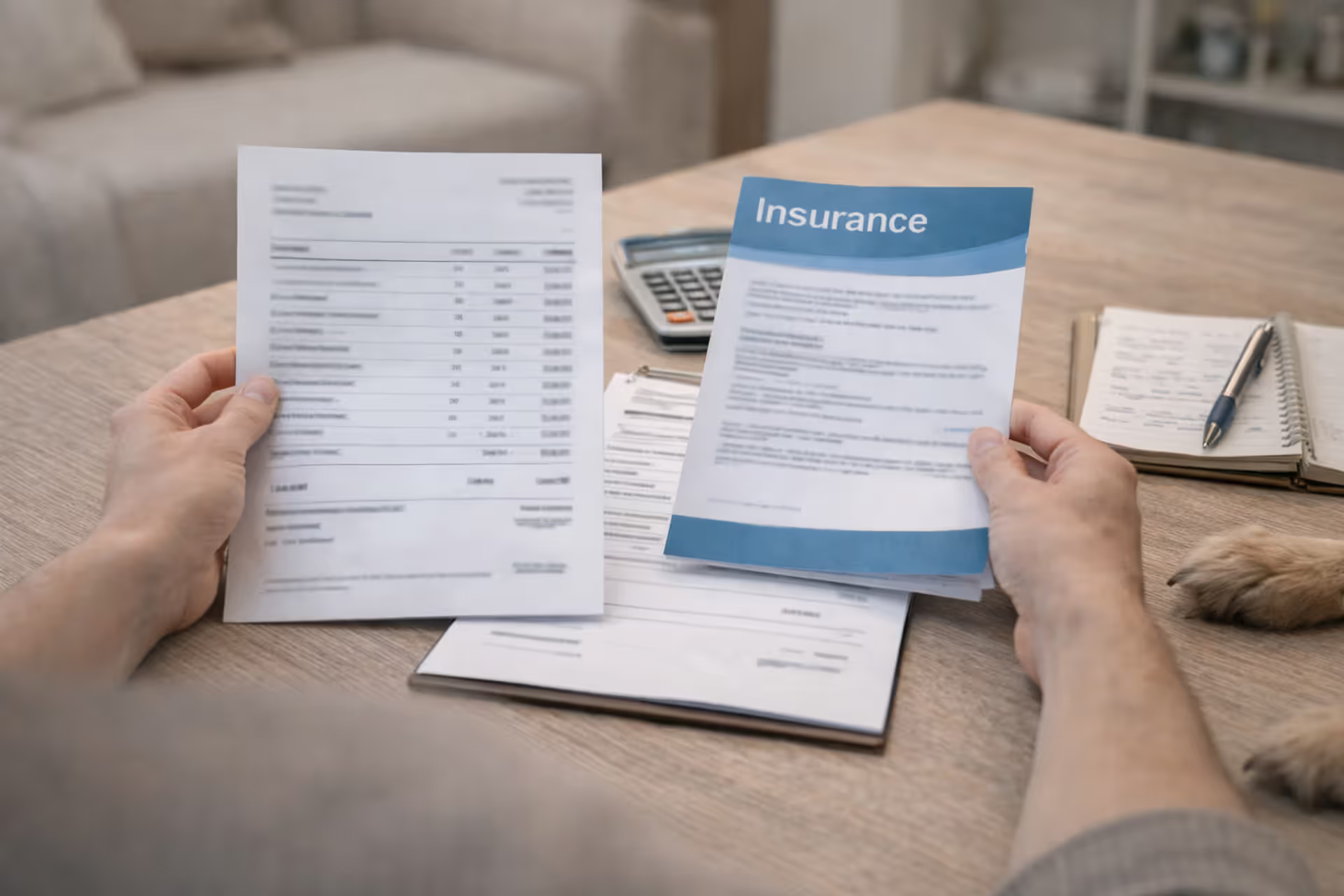
Request itemized invoices that break down every charge separately—exam fee, diagnostic tests, medications, procedures. Generic descriptions like "treatment" or "services" can cause claim delays. You want line items that clearly state what was done: "Complete Blood Count (CBC)," "Radiograph - 2 views, abdomen," "Amoxicillin 500mg - 20 tablets."

Author: Jordan Whitman;
Source: lamadone.net
Take photos immediately of all paperwork before leaving the clinic. Invoices fade, papers get lost, and you'll kick yourself if you need to request duplicates weeks later. Store these photos in a dedicated folder on your phone or cloud storage.
Submit claims the same day when possible. Many insurers now offer mobile apps with photo submission—snap pictures of your invoice and medical records, answer a few questions, and you're done. The faster you submit, the faster you get reimbursed.
Keep organized records of all vet visits, claims submitted, and reimbursements received. A simple spreadsheet tracking dates, services, amounts paid, and amounts reimbursed helps you monitor your deductible progress and annual limits. This becomes especially valuable if you have multiple pets or chronic conditions requiring ongoing care.
Ask your vet to include medical notes with your invoice when dealing with complex cases. Insurance companies sometimes request additional information to process claims. If your vet includes diagnosis codes, treatment rationale, and prognosis upfront, you'll avoid back-and-forth delays.
Understand your policy's deductible structure. Some policies have per-incident deductibles (you pay the deductible for each new condition), while others have annual deductibles (you pay once per year, then everything else is covered at your reimbursement percentage). Knowing which you have affects how you budget for care.
Frequently Asked Questions About Vet Insurance Acceptance
Comparison of Pet Insurance Payment Models at Vet Clinics
| Payment Model | How It Works | Who Pays Upfront | Reimbursement Timeline | Examples |
| Traditional Reimbursement | You pay the full vet bill, then submit a claim to your insurer | Pet owner pays 100% | 2-30 days after claim submission | Healthy Paws, Nationwide, Embrace, Pets Best |
| Direct Pay/Instant Reimbursement | Vet submits claim electronically at checkout; insurer pays clinic directly | Pet owner pays only their portion (deductible + non-covered items) | Immediate at checkout | Trupanion Express (at participating clinics) |
| Wellness Plans | Prepaid monthly plans covering routine preventive care | Pet owner pays monthly fee; no payment at visit for covered services | No reimbursement needed; services included | Banfield Optimum Wellness Plans, VCA CareClub |
| Third-Party Financing | Medical credit card or financing service pays vet immediately; you pay the financing company over time | Financing company pays 100%; pet owner repays over time | N/A (not insurance; this is a loan) | CareCredit, Scratchpay, Vetbilling |
Making Pet Insurance Work for You
The disconnect between how pet insurance works and how people expect it to work causes real frustration. You're not wrong to assume vets would bill insurance directly—that's how most of us have experienced healthcare. But the veterinary industry operates differently, and understanding these differences helps you plan financially.
Before you need veterinary care, take these steps: download your insurance company's mobile app, save your policy information where you can quickly access it, and identify which nearby clinics offer direct billing for your specific insurer. Set aside an emergency fund or obtain a medical credit card to cover upfront costs, knowing you'll be reimbursed later.
When you do visit the vet, ask for itemized invoices, submit claims promptly, and keep organized records. These habits transform insurance from a source of stress into a financial tool that actually helps you afford the best care for your pet.
The reimbursement model isn't perfect, but it's the reality of pet insurance in the United States. Knowing how it works puts you in control, prevents checkout surprises, and ensures you get the maximum benefit from your policy when your pet needs care most.