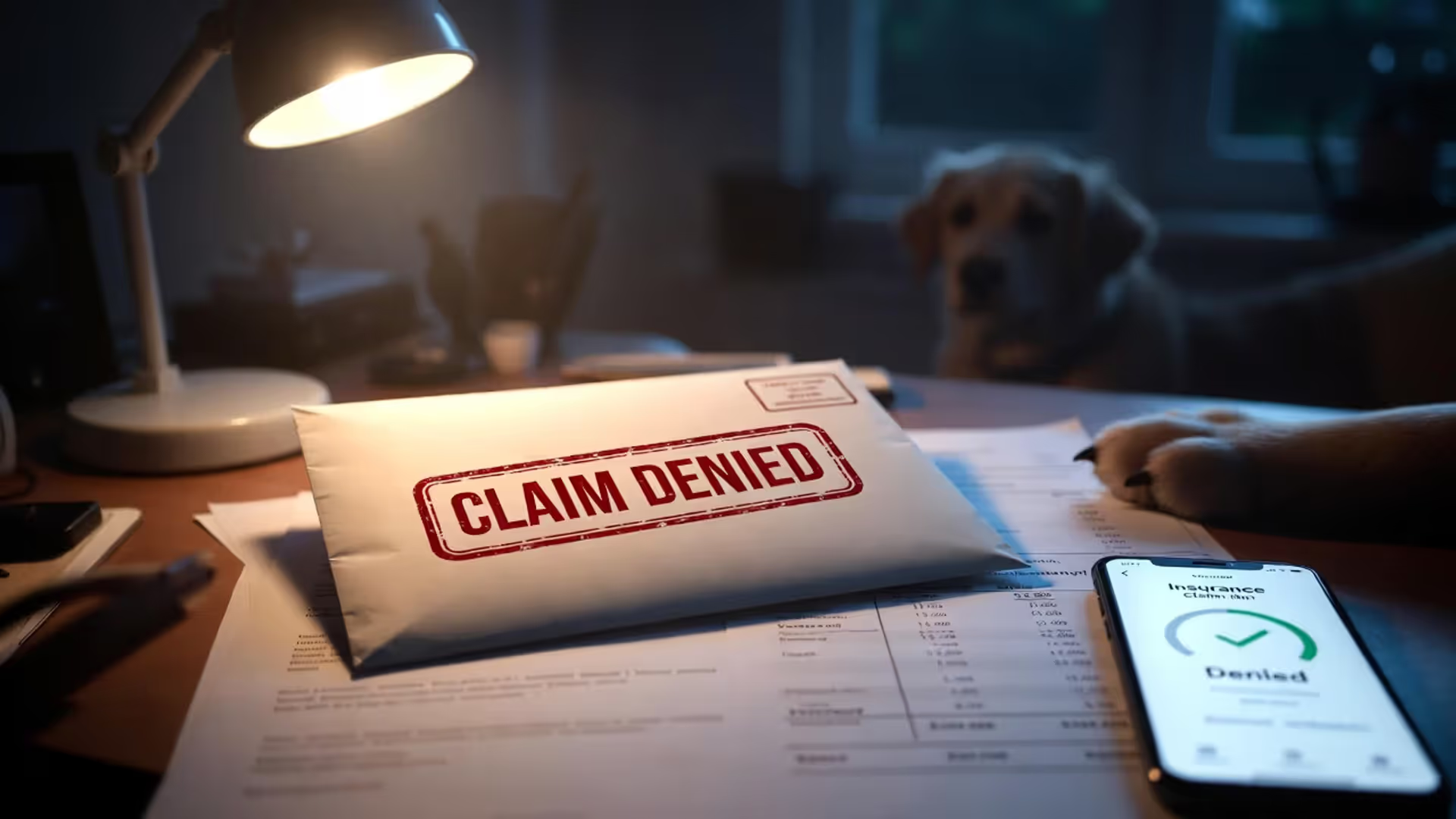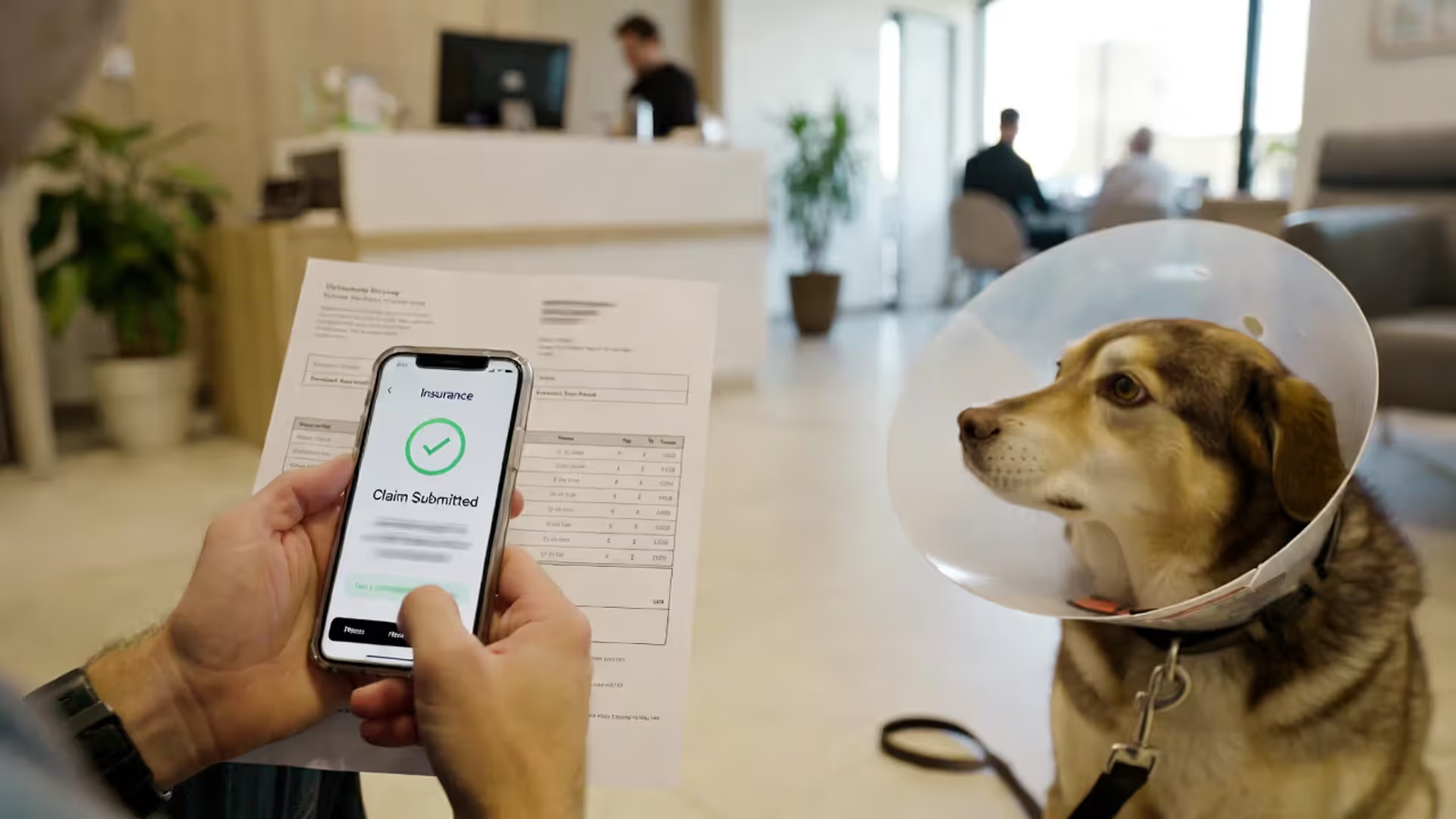
Claim processing speed varies more than most owners expect.
How Long Do Pet Insurance Claim Timelines Take? Understanding Processing Times

Content
When your dog needs emergency surgery or your cat requires specialized treatment, the last thing you want is to wait weeks for reimbursement. Most pet owners filing their first claim are surprised to learn that processing times vary dramatically—from 24 hours to over a month depending on the insurer, submission method, and claim complexity.
The typical pet insurance claim takes 7-14 days from submission to payment, but this timeline shifts based on dozens of variables. Some providers like Trupanion offer point-of-service payments that eliminate waiting entirely, while others still process paper claims that can drag on for 30 days or more. Understanding these timelines helps you budget appropriately and choose the right insurer for your needs.
Average Claim Processing Time Across Major Pet Insurers
Processing speed has become a competitive differentiator among pet insurance companies. Digital transformation has split the market between tech-forward insurers offering same-day processing and traditional providers still relying on manual review processes.
| Insurance Provider | Average Processing Time (Digital) | Average Processing Time (Paper) | Direct Deposit Available | Same-Day Processing Option |
| Trupanion | Instant (at vet) | 10-14 days | Yes | Yes (at participating vets) |
| Lemonade | 1-2 days | Not accepted | Yes | Yes (simple claims) |
| Healthy Paws | 2-5 days | 10-15 days | Yes | No |
| Embrace | 5-10 days | 15-20 days | Yes | No |
| Nationwide | 7-14 days | 14-21 days | Yes | No |
| ASPCA Pet Health Insurance | 7-10 days | 14-18 days | Yes | No |
| Figo | 3-7 days | 10-14 days | Yes | No |
| Petplan (Fetch) | 5-10 days | 12-20 days | Yes | No |
| Pets Best | 5-10 days | 15-25 days | Yes | No |
| MetLife Pet Insurance | 7-14 days | 14-30 days | Yes | No |
The gap between digital and paper submission is striking. A claim submitted through a mobile app with clear photos of invoices and medical records typically processes 50-70% faster than mailed paperwork. Paper claims require manual data entry, physical document scanning, and often get delayed in mail handling—especially during holidays or if your envelope arrives damaged.
Direct deposit further accelerates the final step. Check payments add 3-7 business days for printing, mailing, and bank processing. Some pet owners report receiving direct deposits within hours of claim approval, while checks can take two weeks to arrive and clear.
What Happens During Each Stage of Claim Processing
Claims don't sit in a queue for two weeks—they move through distinct stages, each with its own timeline and potential bottlenecks.
Author: Brandon Keller;
Source: lamadone.net
Submission and Initial Review (Days 1–3)
Your claim enters the system the moment you hit submit or when the envelope arrives at the processing center. Digital claims receive automated validation checks immediately: Is the policy active? Does the claim fall within the coverage period? Are all required fields completed?
This initial screening catches obvious issues. If you submitted a claim for a condition still in its waiting period or forgot to attach the invoice, you'll typically receive an automated email within 24 hours requesting corrections. Paper claims take longer because someone must physically open mail, scan documents, and manually enter data into the system.
A common mistake happens here: pet owners submit claims before their vet finalizes the medical records. The insurer receives your invoice but can't proceed without the detailed treatment notes. This creates a 3-5 day delay while they request records directly from your veterinarian.
Veterinary Record Verification (Days 3–7)
This stage consumes the most time. Claims adjusters review treatment notes to confirm the diagnosis matches the claim, verify that the condition isn't pre-existing, and check whether the treatment aligns with standard veterinary practices.
For straightforward cases—a healthy puppy breaks a leg, gets X-rays and a cast—verification takes minutes. The adjuster sees clear documentation of an acute injury with appropriate treatment. But claims involving chronic conditions, multiple diagnoses, or treatments that might relate to pre-existing issues require deeper investigation.
Adjusters may contact your veterinarian's office for clarification. "We need to confirm whether this ear infection is related to the allergies noted in last year's exam." These phone calls or fax requests add 2-5 days as vet offices work through their own administrative backlogs.
Some insurers use AI-assisted review for simple claims. Lemonade's system can approve basic wellness claims or straightforward illness treatments without human review, shaving days off the timeline. Complex claims still route to experienced adjusters who may consult veterinary consultants on staff.

Author: Brandon Keller;
Source: lamadone.net
Approval and Payment Distribution (Days 7–14)
Once verified, approved claims move to the payment queue. This final stage is usually quick—1-3 days for digital systems to calculate reimbursement based on your deductible, co-insurance, and coverage limits, then initiate payment.
The payment method you selected during enrollment determines the final wait. Direct deposit typically completes within 1-2 business days. Checks require printing, envelope stuffing, postage, delivery (3-5 days), and then your bank's hold period (1-5 days depending on the amount).
A trade-off exists with payment speed and claim complexity. Insurers processing claims in 24-48 hours often have stricter documentation requirements or limit instant processing to claims under certain dollar amounts. Trupanion's instant payment at participating vet clinics only works because they've integrated directly with practice management software and pre-verified coverage.
7 Factors That Speed Up or Slow Down Your Claim
Understanding these variables helps you anticipate your specific timeline rather than relying on advertised averages.

Author: Brandon Keller;
Source: lamadone.net
1. Completeness of Documentation
Missing a single document restarts the clock. Claims with itemized invoices, complete medical records, and clear photos process 40-60% faster than incomplete submissions. Keep a claim checklist: invoice with date and services, medical records with diagnosis codes, prescription information if applicable, and any lab results.
2. Submission Method
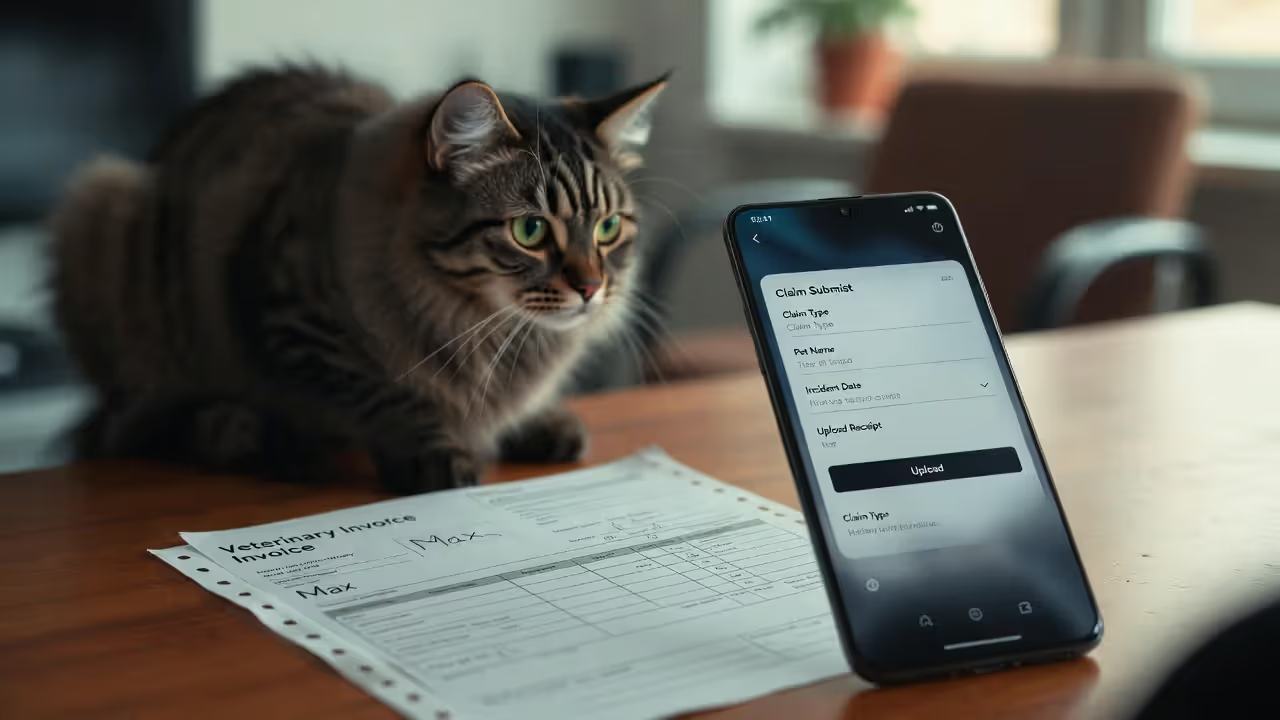
Mobile app submissions with photo uploads beat web portal entries, which beat paper by wide margins. Apps often include guided workflows that prevent common omissions. Figo's app, for example, prompts you to photograph both sides of an invoice and confirms the image quality before submission.
3. Claim Complexity
A $200 exam and medication claim might process in 48 hours. A $8,000 surgery with multiple specialists, pre-existing condition questions, and coordination with a wellness plan could take three weeks. Adjusters need time to untangle complicated cases.
4. Policy Waiting Periods
Claims submitted during or immediately after waiting periods trigger additional scrutiny. If your policy started 15 days ago and you're claiming a condition diagnosed on day 16, expect the insurer to thoroughly investigate whether symptoms existed before coverage began. This verification adds 5-10 days.
5. Pre-Authorization
Some insurers offer pre-authorization for planned procedures. Getting approval before surgery means the claim processes faster afterward—the medical necessity review is already complete. Without pre-authorization, that review happens after treatment when you're anxiously awaiting reimbursement.
6. Provider Workload
Seasonal spikes affect timelines. January sees a surge as deductibles reset and pet owners file claims they delayed from December. Summer brings injury claims from increased outdoor activity. During peak periods, processing times can double. One claims manager noted their average jumped from 5 days to 12 days in early January.
7. Payment Method Choice
This bears repeating because it's entirely within your control. Direct deposit cuts 3-7 days off every claim. If you're still receiving checks, contact your insurer to switch. Most allow changes through your online account in minutes.
How to Reduce Your Claim Turnaround Time
These strategies consistently reduce waiting time based on claims data and customer reports.
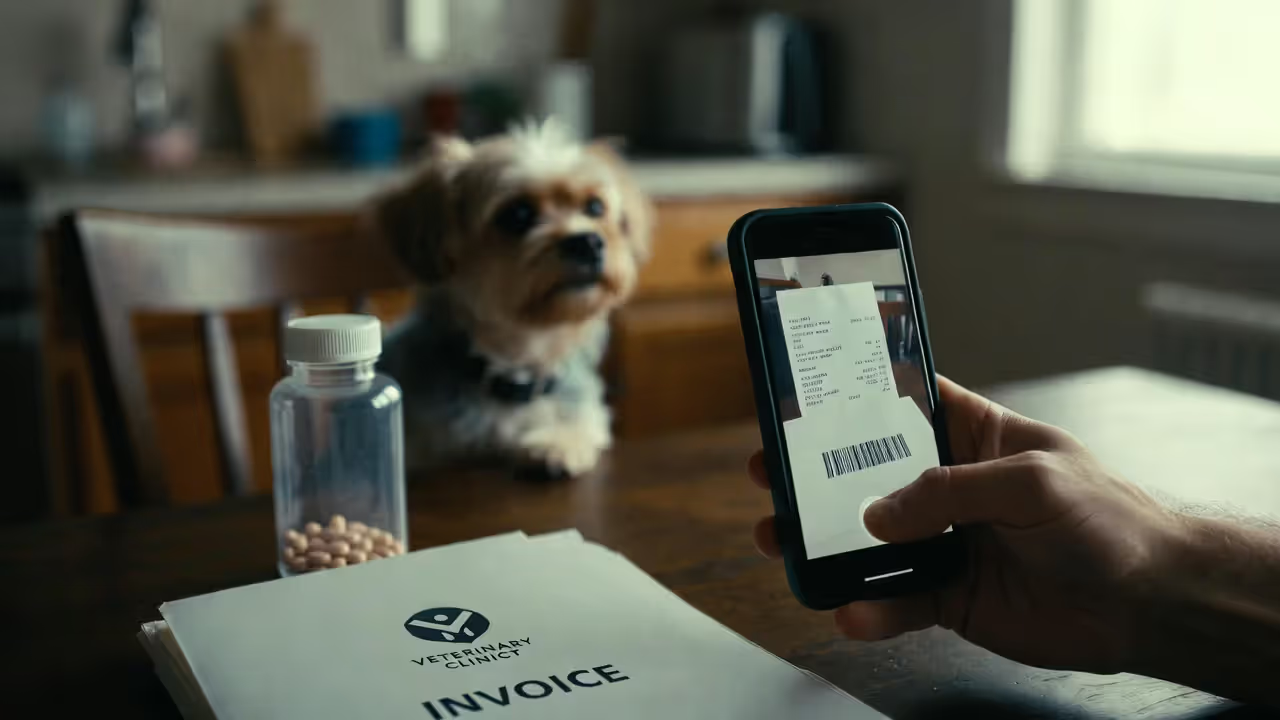
Submit digitally within 24 hours of treatment. Don't wait until you get home from vacation or until the weekend ends. The sooner your claim enters the queue, the sooner it processes. Most mobile apps let you photograph documents in your car outside the vet clinic.
Use the complete documentation checklist approach. Before hitting submit, verify you've included: itemized invoice (not just a receipt), medical records with diagnosis codes (SOAP notes), your policy number, the date of service, and your veterinarian's contact information. Missing any single item causes delays.
Consider direct vet billing where available. Trupanion's direct payment to vets eliminates your wait entirely—you only pay your portion at checkout. Healthy Paws partners with some clinics for similar arrangements. Ask your vet which insurers they work with directly.
Leverage mobile apps with built-in verification. Apps that confirm document legibility and completeness before submission prevent the "we need clearer documents" delay. Embrace's app highlights blurry photos and prompts retakes.
Establish a vet record release authorization. Many insurers let you sign a blanket authorization allowing them to request records from your vet without contacting you first. This eliminates the back-and-forth delay when they need clarification.
Choose direct deposit and verify your banking information. A surprising number of claim delays stem from incorrect routing numbers or closed accounts. Log into your policy portal and confirm your payment details are current.
Submit claims during business hours early in the week. A claim submitted at 2 PM Tuesday enters the workflow immediately. One submitted at 11 PM Friday might not get initial review until Monday. For time-sensitive reimbursement needs, timing matters.
Common Claim Delays and How to Avoid Them
Author: Brandon Keller;
Source: lamadone.net
Even with perfect preparation, certain situations consistently cause problems.
Missing or illegible receipts top the delay list. Thermal paper receipts fade quickly—photograph them immediately or request emailed invoices. One pet owner learned this lesson when their $3,000 emergency surgery receipt faded to blank paper within six weeks. The vet clinic had to reconstruct the invoice from their system, adding two weeks to processing.
Incomplete veterinary records create frustrating loops. Your vet's front desk might hand you an invoice but not include the actual medical notes in your file. When the insurer requests records, the vet's office takes 3-5 days to compile and send them. Solution: specifically request "complete medical records including SOAP notes and diagnosis codes" when checking out.
Coordination of benefits issues arise when you have multiple policies or your pet is covered under different plans (like a wellness plan plus accident/illness coverage). Insurers must determine which pays primary and which pays secondary. This coordination adds 5-10 days. Be upfront about multiple coverages in your claim submission.
Weekend and holiday submissions face processing gaps. A claim submitted Friday evening won't receive initial review until Monday. If Monday is a holiday, you're looking at Tuesday. For large claims where you need reimbursement quickly, submit early in the week.
Unclear treatment relationships slow claims when multiple conditions are treated simultaneously. If your dog receives treatment for both an ear infection and a skin allergy in one visit, the insurer must determine if they're related (potentially pre-existing) or separate issues. Detailed vet notes prevent this, but many clinics provide minimal documentation. Consider asking your vet to note "acute infection, unrelated to chronic allergies" or similar clarifications.
Duplicate claims happen more often than you'd think. You submit through the app, then your spouse mails a paper claim for the same visit. The insurer must verify they're duplicates and consolidate them, adding several days. Coordinate with family members on who handles claims.
When to Follow Up on a Pending Claim

Author: Brandon Keller;
Source: lamadone.net
Patience has limits. Knowing when to inquire versus when to escalate prevents both premature nagging and excessive delays.
For digital submissions to insurers advertising 5-7 day processing, follow up on day 8 if you haven't received communication. Most insurers send status updates ("received," "under review," "approved") automatically, so silence beyond their stated timeline warrants a check-in.
Paper claims deserve more patience—add 5 days to the advertised timeline for mail handling before following up. If the insurer advertises 10-14 days for paper and you're on day 20, it's time to call.
Check your claim status online first. Most insurers provide portals showing exactly where your claim sits: received, pending review, pending information, approved, or paid. If the status says "pending information," check your email spam folder—requests for additional documentation often get filtered incorrectly.
When calling, have your claim number, policy number, and submission date ready. Ask specific questions: "What stage is my claim in?" "Is any information missing?" "What's the expected completion date?" Generic inquiries get generic responses.
Red flags requiring immediate escalation include: claims pending over 30 days without explanation, claims showing "received" for more than 10 days without status change, or situations where the insurer claims they never received your submission despite your confirmation email.
Escalation paths typically go: claims representative → claims supervisor → claims manager → state insurance department complaint. Most issues resolve at the supervisor level. State insurance departments get involved when insurers consistently miss their own stated timelines or fail to communicate.
According to Jennifer Martinez, a claims director at a mid-sized pet insurance company, "We aim for 80% of claims processed within our advertised window. When claims exceed that timeline, it's usually due to missing information or complexity requiring veterinary consultant review. Pet owners who follow up after reasonable waiting periods help us identify claims that fell through cracks in our system."
FAQ: Pet Insurance Claim Timeline Questions
Making Claim Timelines Work for Your Budget
Understanding pet insurance claim timelines isn't just about managing expectations—it's about financial planning. If your insurer typically takes 10 days to reimburse and you're facing a $5,000 surgery, you need that cash available for at least two weeks.
The variation in processing speed should factor into your insurer selection. Pet owners living paycheck-to-paycheck benefit enormously from Trupanion's direct payment or Lemonade's 1-2 day processing. Those with more financial cushion might prioritize other factors like coverage breadth or premium cost over processing speed.
Most importantly, you have significant control over your timeline. Digital submission, complete documentation, direct deposit, and prompt filing can cut processing time in half compared to paper claims with missing information submitted weeks after treatment. These habits cost nothing but attention to detail.
When delays occur, know your rights and escalation paths. Insurers should communicate clearly about claim status and expected timelines. Persistent delays without explanation warrant follow-up and, if necessary, involvement from your state insurance department.
The pet insurance industry continues moving toward faster processing through technology adoption. Five years ago, two-week processing was standard across the industry. Today, several insurers offer same-day or next-day processing for straightforward claims. As competition intensifies, expect these timelines to compress further, benefiting pet owners who already face enough stress when their animals need medical care.