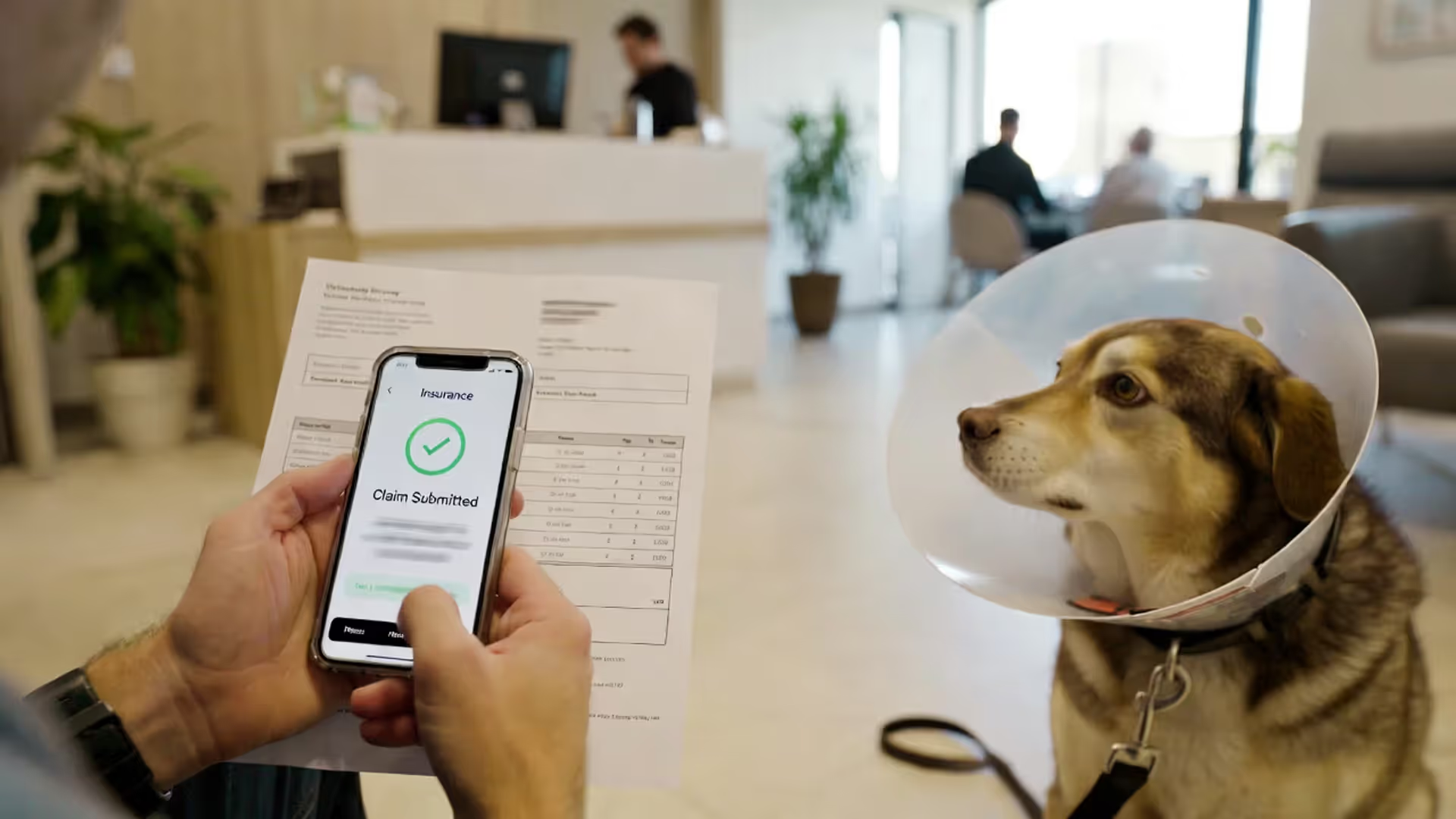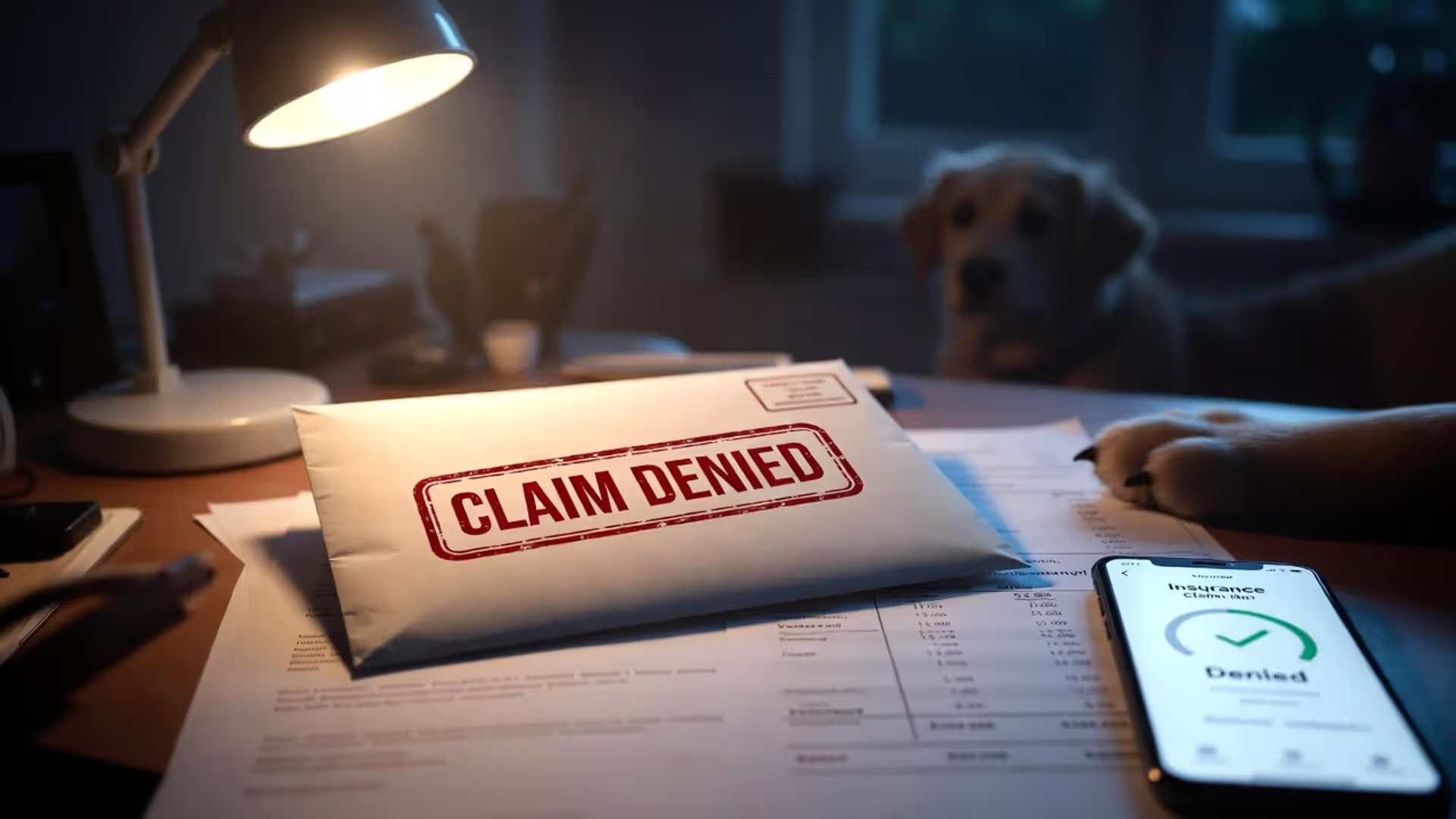
That denial letter hits like a punch.
Pet Insurance Claim Denial: Why It Happens and How to Fight Back

Content
You've just opened the envelope from your pet insurance company. Instead of the reimbursement check you expected after Max's $4,200 emergency surgery, there's a single-page letter with that dreaded phrase: "claim denied."
Your stomach drops. You've paid premiums religiously for two years. You submitted every form your vet gave you. And now you're stuck with a massive bill you thought was covered.
Here's what most pet owners don't realize: roughly one in every seven pet insurance claims faces rejection or gets stuck in documentation limbo. But here's the part insurance companies hope you won't discover—you've got more power to challenge these decisions than they want you to know.
The Most Common Reasons Insurance Companies Deny Pet Claims
Insurance carriers reject claims for surprisingly predictable reasons. Once you spot these patterns, you can work around them.
Pre-Existing Conditions and Waiting Periods
This catches more pet owners off guard than any other denial category. Here's what makes it so frustrating: insurers define "pre-existing" way more broadly than you'd think.
Your dog limped slightly last March. Nothing serious—maybe she stepped wrong at the park. You didn't even take her to the vet. Now it's November, you've had insurance since June, and she tears her ACL. The insurance company digs through her records, spots that one mention of limping from eight months ago, and suddenly your $5,800 surgery becomes "pre-existing."
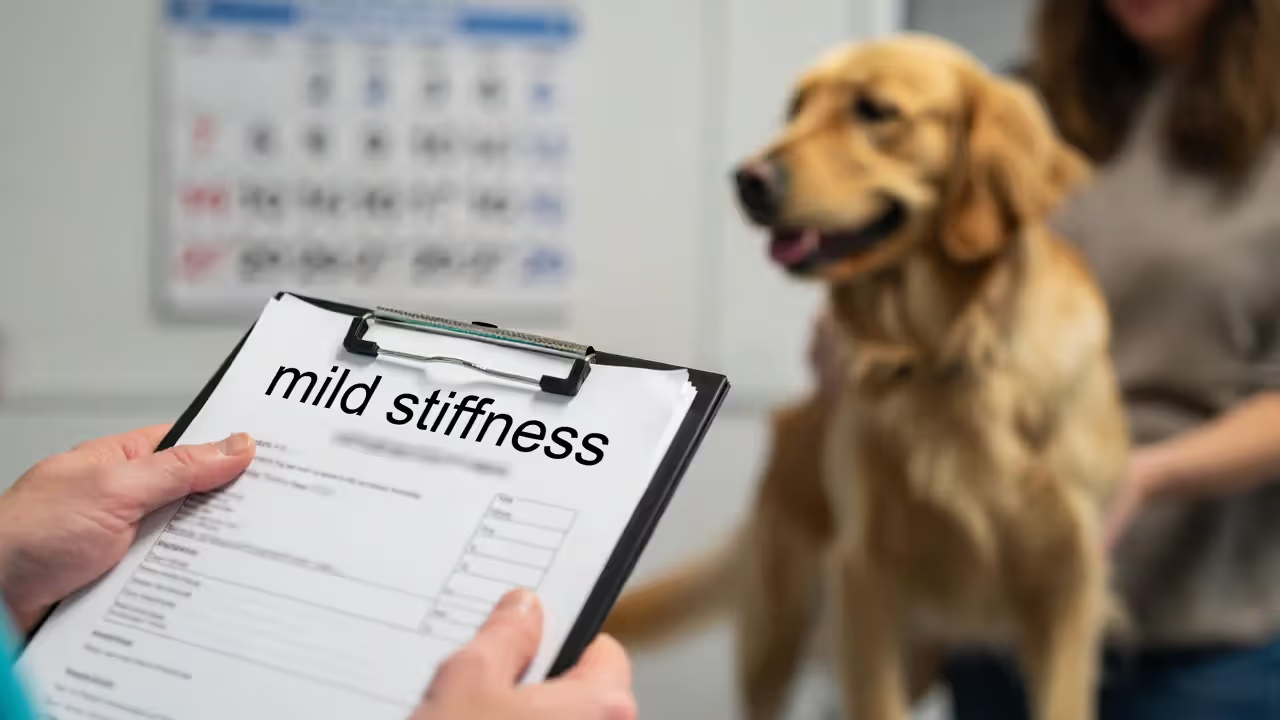
I've seen this exact scenario play out with a Golden Retriever owner in Texas. Her vet had written "mild stiffness observed during exam" in a routine checkup note. That single phrase—not even a diagnosis—gave the insurer grounds to reject a major orthopedic claim.
Then there's the waiting period trap. Your policy might be active, but different conditions have different waiting windows: - Basic illness: usually 14 days - Orthopedic issues: often 6-12 months
- Cruciate ligament problems: sometimes a full year
File during these blackout windows and you'll get rejected automatically, even if symptoms started after you bought coverage.
Author: Brandon Keller;
Source: lamadone.net
Missing or Incomplete Documentation
Claims processors want specific paperwork: itemized invoices, full medical histories, lab results, prescription records. Leave out one piece and your claim hits the rejection pile.
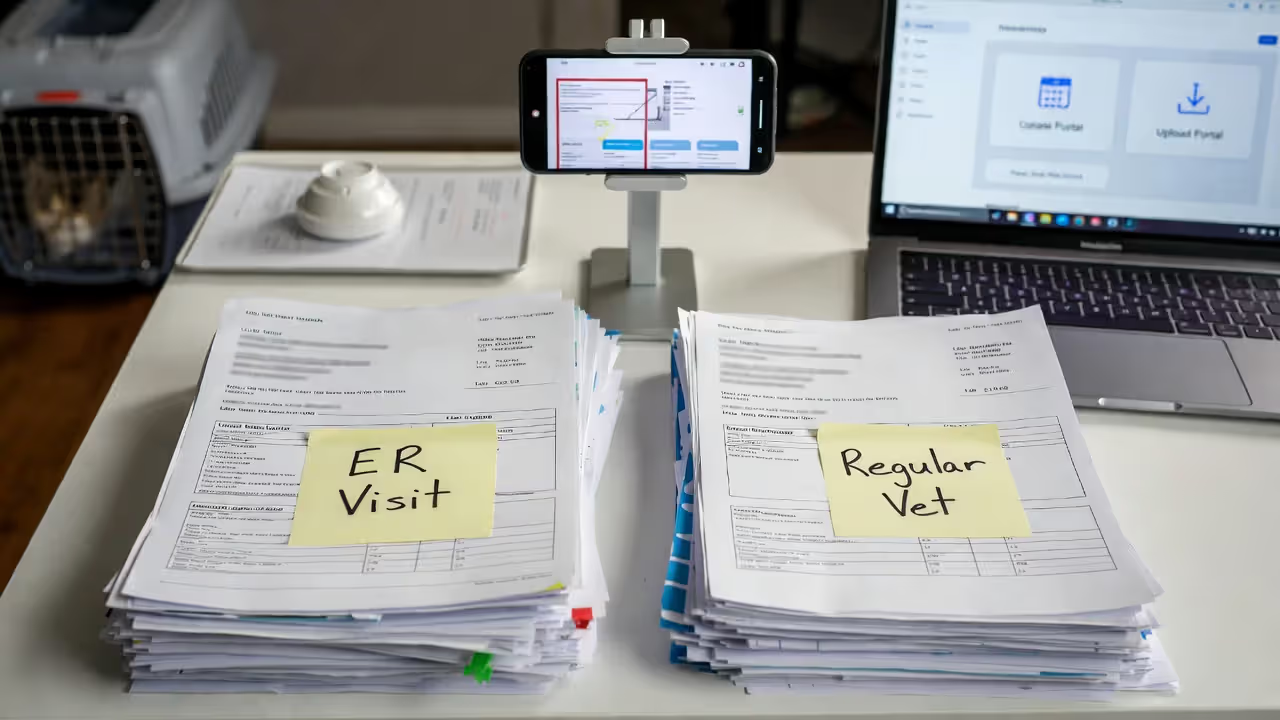
Here's where people mess up most often: they submit the credit card receipt instead of the detailed treatment breakdown. Or they forget to include the lab work that justified the treatment. Or their regular vet referred them to an emergency clinic at 2 AM, and they only send records from one location.
Your cat had an emergency midnight visit for vomiting, then saw your regular vet the next morning. The insurance company needs documentation from both visits to understand what happened. Send just one, and they'll reject it as incomplete.
Some insurers require their own special forms that your vet has to complete. When your veterinarian writes "treated vomiting" without listing what tests they ran or what they were ruling out, claim reviewers often bounce it back as insufficiently documented.
Author: Brandon Keller;
Source: lamadone.net
Treatment Not Covered Under Your Policy
Policy contracts vary wildly. The marketing materials and sales pitch don't tell the full story—you've got to read that actual contract.
Routine care almost never gets covered unless you bought a wellness rider. Vaccines, dental cleanings, annual bloodwork—those come out of your pocket. Behavioral training, breeding complications, cosmetic procedures? Also typically excluded.
Budget plans often exclude hereditary conditions entirely. Your Bulldog needs entropion surgery? Your Golden Retriever has hip dysplasia? Those might not be covered even though they're common breed issues.
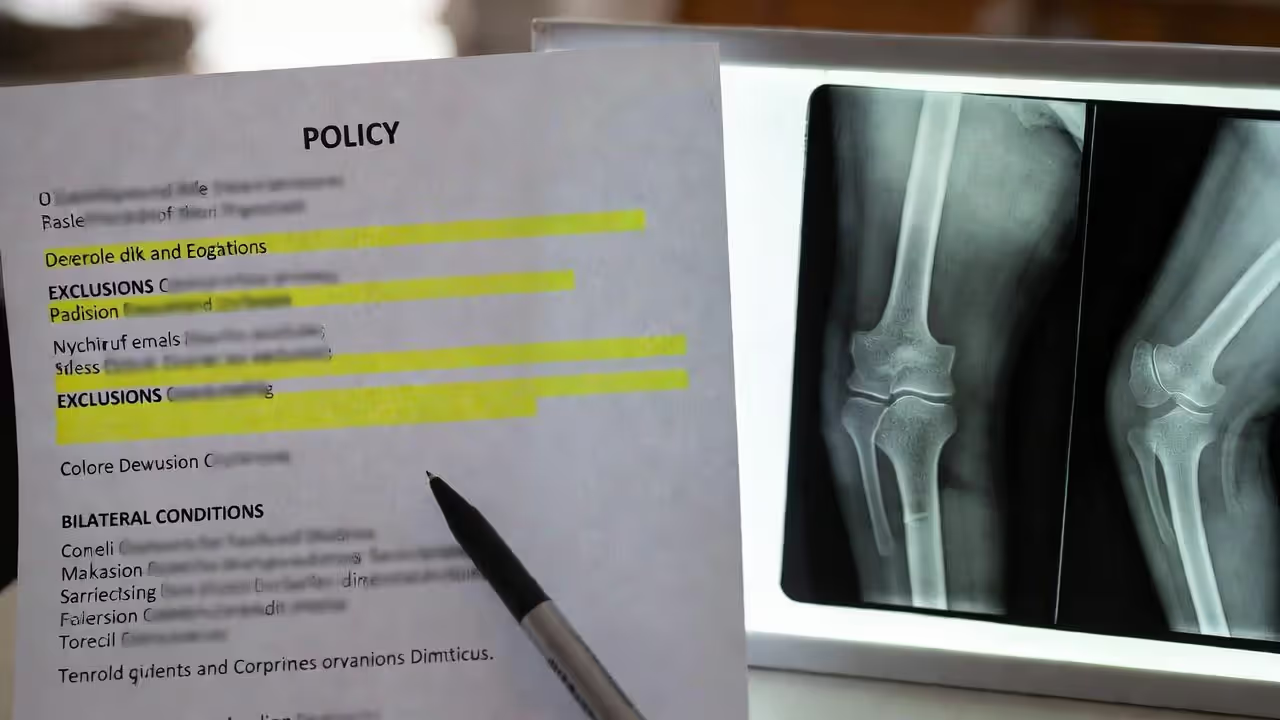
Watch out for bilateral condition clauses. Your dog tears her right ACL, you file successfully, everything's fine. Six months later, the left ACL goes. Some companies refuse the second claim, calling it a continuation of the first injury.
| Why Claims Get Rejected | How Often This Happens | Can You Prevent It? | What Actually Works |
| Condition existed before coverage started | 35-40% of denials | Sometimes—buy early | Get coverage while your pet's young and healthy; tell the truth about medical history during sign-up |
| Filed during blackout window | 15-20% of denials | Yes—completely avoidable | Track exactly when different coverage types kick in; don't assume day one means full protection |
| Paperwork incomplete or missing | 20-25% of denials | Yes—totally preventable | Get itemized bills, not just receipts; collect records from every vet who treated your pet |
| Treatment falls outside policy scope | 15-18% of denials | Yes—know before you buy | Read actual exclusions list; call and confirm specific treatments before enrolling |
| Lapsed payment or coverage gap | 5-8% of denials | Yes—easy to avoid | Set up autopay; never let coverage lapse even briefly |
| Submitted too late | 3-5% of denials | Yes—watch the calendar | Most policies require filing within 90-180 days; don't procrastinate |
| Suspected dishonesty in application | 2-3% of denials | Yes—just be honest | Disclose everything during enrollment; lies always surface later |
Author: Brandon Keller;
Source: lamadone.net
How to Avoid Claim Rejection Before You File
Smart prevention beats fighting rejections after the fact. Start protecting yourself before your pet ever needs treatment.
Read your actual policy document—all of it, not just the summary booklet. Grab a highlighter and mark every exclusion, waiting period, and documentation requirement you find. Build a simple spreadsheet tracking when each coverage type activates. Put those dates in your phone calendar.
Talk to your vet's front desk staff—specifically whoever handles insurance paperwork. Ask them what details insurance companies typically demand. Some veterinary practices employ full-time insurance coordinators who know exactly what different carriers want to see.
Keep your own health diary for your pet. Write down every vet visit, symptom you notice, medication prescribed, and diagnosis given. Store it all in one place—a notebook, spreadsheet, or phone app. When insurers claim something's pre-existing, you'll have clear records proving when it actually started. Take photos of injuries when they happen and save them with timestamps.
Before submitting anything, call your insurance company and describe what happened. Ask point-blank: "Does my policy cover this specific treatment?" Write down the representative's name and any reference number they give you. When they say yes, mention that conversation in your claim paperwork.
File fast after treatment wraps up. Don't wait weeks or months. The longer you delay, the more likely something gets lost or memories fade about when symptoms started. Most companies give you 90-180 days, but faster is always better.
Photocopy or scan everything before you mail it. Keep digital and physical copies of all bills, records, prescriptions, and test results. When they claim they never received something, you can resend it immediately.
Most pet insurance denials aren’t final decisions — they’re documentation problems. When owners submit complete medical records and a clear veterinary explanation, insurers reverse a surprising number of cases.
— Dr. Laura Bennett, Veterinary Insurance Consultant
What to Do Immediately After Your Claim Gets Denied
Getting notification that your claim's been refused requires a specific action plan, executed in order.
First, read that denial letter three times. Insurance companies must state exactly why they rejected your claim and cite the relevant policy section. Find that section in your actual policy. Sometimes denials stem from simple miscommunications that a quick phone call can clear up.
Pull out your policy contract and read the section they referenced. Does their stated reason actually match what your policy says? Mistakes happen. Adjusters sometimes apply wrong policy provisions or misread medical records.
Gather every document related to this claim: full vet records, all bills, test results, prescription info, and what you originally submitted. Create a timeline showing when symptoms appeared, when diagnoses happened, and when treatment started. Compare this timeline to your policy's waiting periods and coverage start dates.
Call the insurance company within 48 hours. Stay calm and professional—getting angry won't help. Focus on gathering information. Ask them to clarify exactly why they rejected it, which specific policy language applies, and what additional documentation might change their decision. Take detailed notes including the rep's full name, date, time, and everything discussed.
Get your pet's complete medical records from every vet who's ever treated them. You need the full picture, not just records related to this denied claim. Sometimes information buried in old records actually helps your case by proving a condition started after you bought coverage.
Have your vet review the denial letter. Vets often spot medical misunderstandings in denial letters. The insurer might call something pre-existing when your vet can clearly prove it's a brand new, unrelated problem. Your vet can write a letter explaining the actual medical facts.

Author: Brandon Keller;
Source: lamadone.net
The Pet Insurance Claim Appeals Process Explained
Between 20-35% of initially denied claims get approved on appeal when owners provide strong evidence. The appeals process follows specific rules that reward thorough preparation.
Your denial letter includes appeal instructions and deadlines—typically 60-180 days from when they denied your claim. Miss that deadline and you usually lose your right to appeal, so act quickly.
Building a Strong Appeal Case
Winning appeals require more than just disagreeing. You need to build a documented argument addressing their specific rejection reason.
Start with a clear, fact-based appeal letter. Include your policy number, claim reference number, and denial date. Explain exactly why you think they got it wrong, citing specific policy language that supports your position. Skip the emotional stuff about how much you love your pet or how unfair the company is—stick to facts and contract terms.
Get a detailed letter from your vet on official clinic letterhead. This letter should explain the medical situation, clear up any confusion about pre-existing conditions, and confirm the treatment was medically necessary. Vets who use precise medical terminology, reference specific clinical findings, and cite diagnostic evidence create much more persuasive letters than generic "please cover this" notes.
Attach comprehensive supporting materials: complete medical records showing how the condition progressed, itemized billing details, diagnostic test results with professional interpretation, medication histories, and any photos of injuries or conditions. If they rejected it for missing information, make absolutely sure you include it this time.
For pre-existing condition disputes, provide evidence proving the condition developed after your coverage started. This might include dated medical records, a vet letter explaining how the current condition differs from previous symptoms, or records showing a symptom-free period between coverage start and diagnosis.
For denials citing policy exclusions, scrutinize your policy language carefully. Sometimes what insurers label "excluded" actually falls into gray areas. If your policy covers accidents but they rejected your claim calling it hereditary, you might argue the immediate traumatic injury was accidental regardless of any genetic predisposition.

Author: Brandon Keller;
Source: lamadone.net
Timeline and What to Expect
Sarah Mitchell, a Certified Veterinary Practice Manager and pet insurance specialist at Veterinary Business Advisors, explains: "About 30% of pet owners who appeal with comprehensive medical records and a detailed veterinary letter end up getting their claims approved—especially when the vet clearly explains why the treatment was medically necessary and proves it wasn't related to any pre-existing condition."
Most carriers acknowledge receiving your appeal within 5-10 business days. Actual review takes 30-60 days on average, though complicated cases drag longer. Some companies assign appeals to different adjusters than who handled the original review, giving you a fresh set of eyes.
During review, insurers might call your vet directly for clarification. Make sure your vet's office knows you've filed an appeal and has your permission to discuss the case.
You'll get written notification explaining whether they approved it or maintained the denial. If approved, reimbursement usually processes within 2-3 weeks. If they still deny it, the letter should explain why and outline any additional appeal options.
Many policies allow second-level appeals to senior claims supervisors or medical directors. This final internal review follows the same process but goes to higher-level decision-makers. Prepare even stronger supporting evidence if you go this route.
When to Escalate: State Insurance Departments and Legal Options
After exhausting internal appeals, you've got additional options beyond just accepting the denial.
Every state has an insurance regulatory department or commissioner's office that oversees insurance companies, including pet insurers. Filing a regulatory complaint doesn't guarantee they'll reverse the decision, but it triggers regulatory oversight. Insurance companies take these seriously because repeated complaints can lead to investigations or enforcement actions.
Google "
insurance department complaint" to find filing procedures. You'll need policy details, claim information, denial letters, and an explanation of why you think they violated proper standards. The department investigates and typically requires the insurer to respond formally.Consumer protection bureaus and state attorney general offices sometimes handle insurance disputes, particularly involving suspected fraud or misleading marketing. If marketing materials suggested coverage but the actual contract excluded it, that might constitute deceptive trade practices.
Small claims court works well for rejected claims worth $5,000-10,000 or less, depending on your state's jurisdiction limits. You don't need a lawyer for small claims, and filing costs stay low. Bring your policy contract, all supporting documentation, denial letters, and appeal responses. The judge decides whether the insurer properly applied the contract terms.
For higher-value claims, consult consumer rights attorneys who handle insurance disputes. Most offer free initial consultations and work on contingency (they only get paid if you win). If your claim involves substantial money and you've got strong evidence of improper denial, legal action might make financial sense.
Social media platforms and public review sites can occasionally motivate insurer reconsideration, though save this as a last resort. Posting factual accounts of your experience on platforms where consumers research pet insurance creates public accountability pressure. Some carriers have social media response teams authorized to resolve disputes to protect company reputation.
Real Cost of Denied Claims: What Pet Owners Actually Pay
Financial consequences of denied claims extend way beyond the immediate vet bill. Understanding these accumulated costs helps you decide how hard to fight a rejection.
Rejected emergency surgery claims can mean $3,000-8,000 in unexpected out-of-pocket costs you thought insurance would reimburse. One Bernese Mountain Dog owner got hit with a $7,200 bloat surgery bill after their insurer rejected the claim, arguing the dog's previous "ate something he shouldn't have" episodes constituted pre-existing gastrointestinal issues.
Chronic condition rejections create ongoing financial burdens. When insurance denies your cat's diabetes coverage, you're looking at $100-300 monthly for insulin, testing supplies, and vet monitoring—costs that compound to thousands annually.
Some pet owners, burned by rejected claims, cancel their policies entirely. They then lose coverage for future unrelated conditions. All those premium payments become sunk costs with zero return. Others keep paying premiums while knowing certain conditions won't get covered, essentially maintaining catastrophic protection for unrelated future issues.
Veterinary payment plans and specialized medical credit cards (like CareCredit) spread costs out but often carry 20-30% annual interest rates after promotional periods. A $5,000 rejected claim financed at 26% APR generates an extra $1,300 in interest over two years.
Opportunity costs matter substantially. Money spent on rejected claims becomes unavailable for other pet care, family medical needs, or emergency reserves. One family drained their emergency fund covering a rejected $4,500 claim, then faced hardship when their car needed major repairs two months later.
Some pet owners face heartbreaking medical decisions based on rejected claims. When insurance won't reimburse a $6,000 surgery and owners lack the financial resources, they might choose euthanasia or comfort care instead of curative treatment. That's denial's ultimate cost—not just financial, but potentially your pet's life.
FAQ: Pet Insurance Claim Denials
Fighting Back Pays Off
Getting your pet insurance claim denied doesn't mean the story's over. With knowledge about why claims get rejected, you can prevent many denials before they happen. When rejection does occur, systematic responses—gathering documentation, understanding your contract, building solid appeals, and escalating appropriately—give you real chances of reversing decisions.
Owners who successfully overturn rejections share common traits: they keep meticulous records, they thoroughly understand their policy contracts, they work effectively with their veterinarians, and they persist through appeal procedures with factual, well-documented arguments. Insurance carriers expect policyholders to give up after initial rejection. Those who respond with solid evidence frequently win.
Before accepting a multi-thousand-dollar rejected claim, invest the effort to fight properly. Compare their rejection reason against your actual contract provisions. Compile every piece of supporting evidence. Get your vet's help. Submit comprehensive, detailed appeals. The hours you invest might save thousands of dollars and secure necessary medical care for your pet.