Pet Insurance Waiting Period Guide for New Pet Owners
Pet Insurance Waiting Period Guide for New Pet Owners

Content
Last month, my neighbor Jessica learned an expensive lesson about pet insurance timing. She'd just brought home Luna, an eight-week-old Labrador, and did everything right—or so she thought. Scheduled the first vet appointment, bought quality food, and enrolled in a pet insurance plan the same afternoon.
Seventy-two hours later? Luna ate a corn cob from the trash and ended up in emergency surgery. The bill hit $2,847. Jessica felt relieved—until the insurance company rejected her claim. The reason? Her policy was active, sure, but Luna's surgery happened before the accident waiting period expired. Jessica paid every penny herself while her "active" insurance coverage sat there, useless.
Here's the thing nobody tells you upfront: pet insurance doesn't work like flipping a light switch. You can't buy it Tuesday and expect claims to process Wednesday. Every single policy—without exception—builds in deliberate delays between purchase and coverage. These aren't mistakes or oversights. They're calculated business decisions that determine whether you'll actually get reimbursed when your pet needs care.
What Is a Waiting Period in Pet Insurance?
Think of a waiting period as mandatory probation for your pet insurance policy. You've signed up, you're paying premiums, your account shows "active coverage"—but the insurance company won't reimburse a single vet bill during this window. It's a countdown clock that must expire before your policy actually functions.
Author: Ashley Reynolds;
Source: lamadone.net
Why do insurers force you to wait? Simple economics, really. Without mandatory delays, the system collapses overnight. Picture this: your Rottweiler starts favoring his rear leg on Monday morning. You notice the limp, Google "dog limping back leg," discover ACL tears cost $4,500 to repair, and immediately buy insurance Monday afternoon. Tuesday, you take him to the vet, get the ACL diagnosis, schedule surgery for Friday, and submit a claim the following week.
That's not insurance—that's a discount plan where you pay $50 monthly to save $4,450 on surgery you already knew was coming. If everyone operated this way, premiums would quintuple within months. The whole model depends on most policyholders paying in for years while relatively few file major claims.
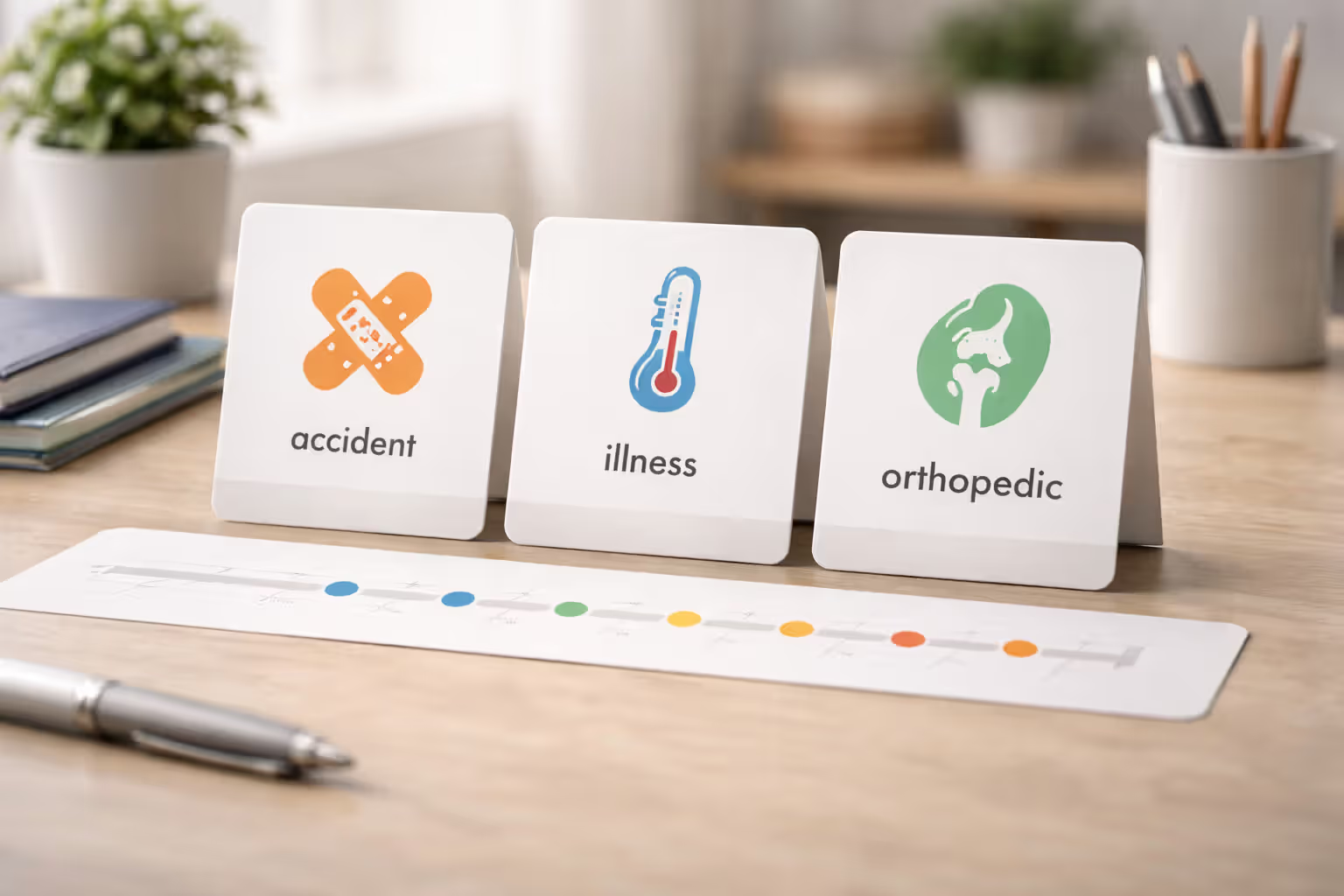
The waiting period explanation pet insurance companies provide breaks down into four distinct buckets:
Accident coverage delays handle unexpected injuries—car impacts, dog fights, swallowed objects, broken bones from falls, snake bites. These waiting periods run shortest because genuine accidents are impossible to predict. You can't fake your dog getting hit by a car or plan a rattlesnake bite.
Illness coverage delays apply to medical conditions developing over time: infections, cancers, diabetes, kidney failure, digestive disorders, respiratory problems. These need longer waiting periods because early-stage symptoms often appear days or weeks before owners recognize something's wrong. That gray zone between "dog seems a bit off" and "definitely sick enough for the vet" creates opportunities for gaming the system.

Author: Ashley Reynolds;
Source: lamadone.net
Orthopedic and ligament coverage delays specifically target joint problems and cruciate ligament tears—particularly ACL injuries and hip dysplasia. These carry the longest waits (often 6-12 months) because they're incredibly expensive to treat and sometimes develop gradually with subtle early warning signs owners might notice before buying insurance.
Pre-existing condition exclusions aren't technically waiting periods, but they work hand-in-hand with them. Any condition that showed symptoms or got diagnosed before your coverage started—or during any waiting period—gets permanently excluded. Once something's labeled pre-existing, no amount of waiting makes it eligible for reimbursement. Ever.
How Long Are Typical Waiting Periods for Pet Coverage?
The insurance activation delay pets face varies wildly depending on which company you choose and what type of condition needs treatment. Understanding these timelines prevents nasty surprises when you actually need to file claims.
Accident Waiting Periods
Most accident waiting periods clock in somewhere between zero and two days. Trupanion offers five-day coverage activation across the board. Figo cuts that down to just 24 hours—enroll Monday, accident Tuesday afternoon is covered (assuming everything processed correctly). Embrace and Lemonade sit at 48 hours.
This short window exists mainly for administrative processing rather than fraud prevention. Accidents are genuinely unpredictable, so insurers don't need extended probation periods to protect themselves from opportunistic enrollment.
Illness Waiting Periods
Standard illness coverage kicks in 14 days after enrollment across most providers. That two-week buffer is industry consensus because many illnesses show subtle symptoms—lethargy, reduced appetite, mild vomiting—days before owners recognize them as actual medical problems. The 14-day gap ensures conditions manifesting during this period get classified as pre-existing rather than newly covered illnesses.
Certain providers stretch this further for specific conditions. Upper respiratory infections in cats, for instance, sometimes carry 30-day waits because they're incredibly common in shelter animals and symptoms might not surface immediately after adoption. Trupanion applies a flat 30-day illness wait to almost everything, simplifying their structure but potentially delaying coverage compared to competitors.
Orthopedic and Cruciate Ligament Waiting Periods
Here's where waiting time coverage pets insurance imposes gets seriously long. Six months represents the minimum; some providers stretch it to a full year. Hip dysplasia, elbow dysplasia, cruciate ligament tears—these conditions routinely cost $3,000-$7,000 to treat surgically. They're also common in specific breeds: German Shepherds and Labs for hip problems, Rottweilers and Bulldogs for ACL tears.
Insurers know owners of these breeds sometimes enroll specifically anticipating these expensive conditions. A six-to-twelve-month policy start waiting period pets encounter for orthopedic coverage makes it nearly impossible to game the system by enrolling after noticing early symptoms.
Author: Ashley Reynolds;
Source: lamadone.net
| Insurance Provider | Accident Coverage Starts | Illness Coverage Starts | Orthopedic/Cruciate Coverage Starts | Special Notes |
| Trupanion | Day 6 | Day 31 | Day 31 | Uniform waiting period for non-accident conditions |
| Healthy Paws | Day 16 | Day 16 | Month 13 | Hip dysplasia requires full year wait |
| Embrace | Day 3 | Day 15 | Month 7 | Vet exam can waive orthopedic delay |
| Lemonade | Day 3 | Day 15 | Month 7 | Standard mid-range timing |
| Nationwide | Day 15 | Day 15 | Month 7 | Identical accident and illness waits |
| ASPCA | Day 15 | Day 15 | Month 7 | Cruciate ligament conditions specifically flagged |
| Pets Best | Day 4 | Day 15 | Month 7 | Faster accident coverage than competitors |
| Figo | Day 2 | Day 15 | Month 7 | Near-immediate accident protection |
| Spot | Day 15 | Day 15 | Month 7 | Simplified uniform waiting structure |
| MetLife | Day 15 | Day 15 | Month 7 | Formerly operated as PetFirst |
Notice how different these timelines are? Trupanion makes you wait 30 days for illness coverage while Embrace cuts that in half to 14 days. Healthy Paws imposes a 12-month orthopedic wait—double what Embrace requires. These aren't minor differences. They can mean thousands of dollars depending on when your pet develops problems.
Common Mistakes Pet Owners Make With Insurance Waiting Periods
Enrolling after symptoms appear. This kills more claims than anything else. Your Beagle's been scratching excessively for a week. You finally Google it, learn about allergies and the costs involved, then buy insurance. Too late. That scratching, the vet visit during the waiting period, and the eventual allergy diagnosis all get classified as pre-existing. The waiting period won't help you here—it only covers conditions that develop after both enrollment and the waiting period expiration.
Confusing "policy active" with "coverage active." Your enrollment confirmation email arrives, your account dashboard shows "Active Policy," your first premium clears—and you assume you're covered. You're not. That policy activation date and your actual coverage availability date are completely different things. Most owners confuse these terms until a denied claim teaches them the difference.
Ignoring orthopedic exclusions for predisposed breeds. You adopt a German Shepherd puppy at ten weeks, enroll immediately (good!), but don't realize the six-month orthopedic waiting period means hip dysplasia won't be covered until your puppy hits seven months old. If symptoms surface at six months? Still within the waiting period. Automatically becomes pre-existing. Permanently excluded.
Switching providers without planning for coverage gaps. You've carried insurance with Provider A for three years. Provider B offers better pricing, so you switch. Here's the problem: Provider B's waiting periods start from scratch. That 14-day illness wait, the six-month orthopedic delay—all of it resets. Any condition developing during this transition gap becomes pre-existing with your new insurer despite years of continuous coverage with the old one.
Enrolling senior pets without calculating risk. Waiting periods don't change based on age, but a nine-year-old Labrador has dramatically higher chances of developing symptoms during a 14-day illness wait than a one-year-old Lab. The timing of senior pet enrollment matters exponentially more because the probability of something going wrong during those waiting windows increases with age.
Missing wellness exam opportunities for waiver eligibility. Several providers—Embrace and Pets Best particularly—waive or reduce orthopedic waiting periods from six months down to 14 days if you submit recent wellness exam records showing no joint problems. Owners who skip this step lose an easy opportunity to cut their waiting period by five and a half months.
Can You Reduce or Waive Pet Insurance Waiting Periods?
Most waiting periods aren't negotiable, but you've got a few strategies to minimize their impact or occasionally eliminate them entirely.
Enroll when your pet's young and healthy. Earlier enrollment equals lower risk. A 14-week-old puppy with clean vet records has minimal chance of showing illness symptoms during a two-week waiting period. Contrast that with a six-year-old dog who's never had insurance—six years of potential subclinical conditions that might surface during waiting periods and get classified as pre-existing.
Submit recent wellness exam documentation. Embrace, Pets Best, and a handful of others slash orthopedic waiting periods from six months to two weeks if you provide proof of a veterinary exam within the past year showing no signs of joint problems. This exam must come from a licensed vet with documented medical records. That five-and-a-half-month reduction is worth a $50 vet visit if you're enrolling a breed prone to joint issues.
Author: Ashley Reynolds;
Source: lamadone.net
Transfer with continuous coverage documentation. Some insurers offer "continuous coverage" provisions for switching customers. If you're leaving a competitor and can prove you maintained active coverage with no lapses, certain waiting periods might get waived for conditions already past their waiting period with your previous insurer. This isn't universal—Trupanion and Healthy Paws have honored this occasionally, but it requires documentation and isn't guaranteed.
Leverage employer-sponsored group plans. Group pet insurance through employers sometimes negotiates reduced waiting periods as enrollment benefits. These group policies occasionally feature seven-day illness waits instead of 14, though orthopedic periods typically remain unchanged. The savings aren't dramatic, but every day counts if your pet develops problems.
Monitor state-specific insurance regulations. While currently rare, some states have explored pet insurance legislation addressing waiting periods. No state has eliminated them entirely yet, but regulatory frameworks continue evolving. California and New York maintain the strictest pet insurance oversight, though neither currently caps waiting period duration.
Reality check: most waiting periods are completely non-negotiable. Insurance companies build actuarial models around these specific timeframes. Eliminate them, and pricing structures change fundamentally. Your best move is understanding the periods before enrollment and purchasing coverage while your pet's healthy.
What Coverage Looks Like When Your Pet Gets Sick During the Probation Window
When your pet needs veterinary care during a waiting period, you're paying the entire bill yourself. The insurance company denies any claim for services provided during this window, and these denials are basically set in stone—no appeals, no exceptions, no resubmitting after the waiting period expires.
Here's how it plays out: You take your cat to the veterinarian, pay the $400 bill, submit a claim to your insurer. The claims adjuster pulls up the invoice, compares the service date against your policy's waiting periods, and sends back a denial stating the claim falls within the waiting period for that specific condition category. That denial is permanent. You can't magically resubmit the same $400 claim three weeks later when the waiting period finally expires.
Documentation from these waiting-period vet visits becomes critically important for future claims. These medical records establish timelines insurers use to determine whether later claims for similar conditions are actually continuations of problems that started during the waiting period. Your dog has diarrhea on day eight of a 14-day illness wait. Diarrhea again on day 20. The insurer might argue this represents the same ongoing digestive problem that originated during the waiting period, making it pre-existing and permanently excluded from coverage.
This is where the insurance waiting time pets experience intersects directly with pre-existing condition clauses. Any diagnosis or symptom occurring during a waiting period gets treated identically to a pre-existing condition—permanently excluded from all future coverage. The waiting period essentially extends the pre-existing condition window beyond your actual enrollment date.
Dr. Jennifer Martinez, who's run a veterinary practice in Denver for 17 years, puts it bluntly:
I watch heartbroken pet owners every single week who bought insurance but completely misunderstood waiting periods. They're paying monthly premiums but can't submit claims for anything. Here's what I tell every client: enroll when your pet's young and healthy, well before you actually need coverage. Pet insurance isn't like auto insurance where you can buy it after getting in an accident. The waiting periods prevent that—which protects responsible owners who enrolled early from shouldering costs for people who try gaming the system. If everyone bought coverage the day before expensive surgery, premiums would be unaffordable for the people who did everything right.
— Dr. Jennifer Martinez
Can you still take your pet to the vet during waiting periods? Absolutely—and you should. The waiting period doesn't prevent veterinary care; it only prevents insurance reimbursement. If your cat needs treatment during this window, get treatment immediately. Delaying necessary care just to "wait out" a waiting period can worsen medical conditions and, in severe cases, might constitute animal neglect. Pay the bill yourself, keep detailed records, and understand this specific condition probably won't receive coverage going forward.
Some desperate owners ask whether they should simply hide veterinary visits that happen during waiting periods. Don't. That's insurance fraud and grounds for immediate policy cancellation. Insurers can—and routinely do—request complete veterinary records when processing claims. Omitting or misrepresenting medical history violates your policy contract. Consequences include denial of all claims, forfeiture of all premiums you've paid, and potential legal action. The risk isn't worth it.
Common Questions Pet Owners Ask About Insurance Probation Periods
Understanding Probation Periods Protects Your Long-Term Investment
Pet insurance waiting periods frustrate owners expecting immediate coverage, but they serve essential functions in maintaining affordable premiums and sustainable insurance models. Successfully navigating these periods comes down to one fundamental principle: enroll early—ideally when your pet's young, healthy, and showing zero symptoms of any medical conditions.
Think of waiting periods as admission tickets to the insurance system. By accepting short delays in coverage availability, you gain access to years—potentially a decade or more—of financial protection against unexpected veterinary expenses. A 14-day illness waiting period represents a minor short-term inconvenience compared to the long-term financial security you'll maintain throughout your pet's life.
Review policy documents thoroughly before enrolling anywhere. Compare waiting periods across multiple providers using the comparison table above, and factor these specific timeframes into your decision-making process. A provider charging slightly higher monthly premiums but offering shorter waiting periods might deliver better overall value if you're enrolling an older pet or a breed genetically predisposed to specific medical conditions.
Most critically: never purchase pet insurance reactively. If your pet's already displaying symptoms of any condition, insurance won't help with that specific problem. Waiting periods don't magically convert pre-existing conditions into covered ones—they simply ensure that genuinely new conditions arising after enrollment receive proper reimbursement. The absolute best time to enroll was six months ago when your pet was perfectly healthy; the second-best time is right now, today, before anything goes wrong.